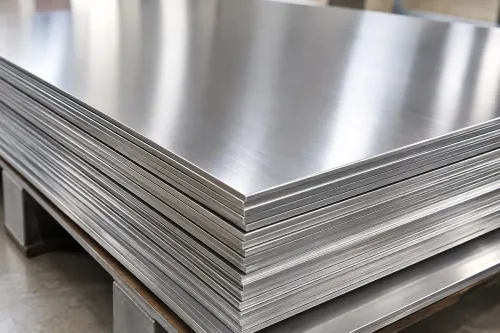
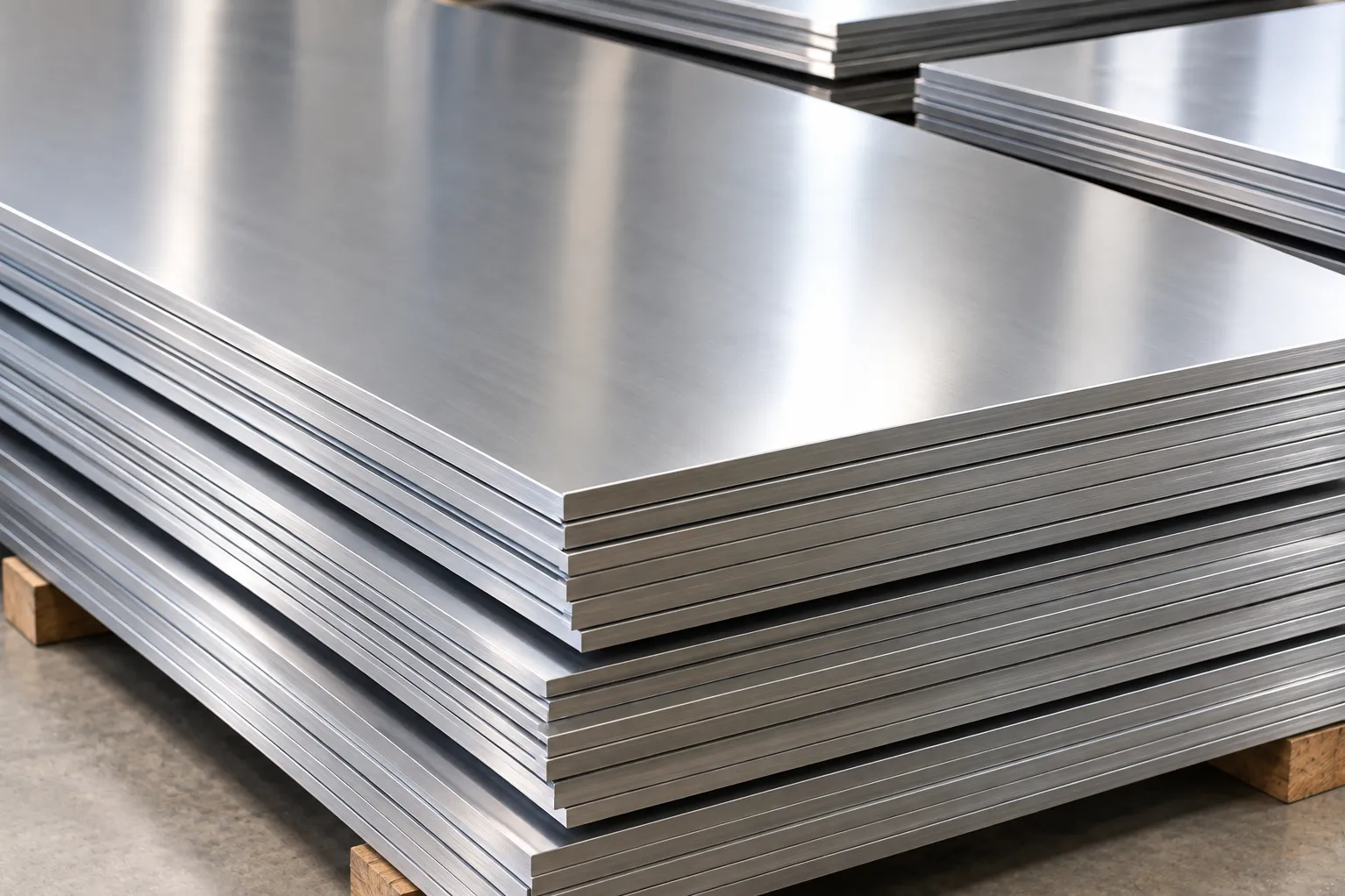
Heavy industrial fabrication often depends on stainless steel plate for tanks, pressure-related equipment, process machinery, structural assemblies, industrial vessels, supports, and fabricated components. Because SS Plates can represent a significant portion of the material cost in a project, mistakes in grade, thickness, dimensions, documentation, or quantity can quickly become expensive.
Procurement teams and fabricators in Vadodara can reduce these risks by carrying out a structured review before releasing a purchase order.
Verify the Approved Grade
The material grade should match the approved engineering requirement.
Do not rely on a general description such as stainless steel plate when the drawing or material specification calls for a particular grade.
Before ordering, verify the grade against:
- Engineering drawings
- Bill of materials
- Project specification
- Client requirements
- Fabrication documents
Any proposed material change should go through the appropriate technical review.
Confirm Thickness Carefully
Plate thickness is directly connected to component design and fabrication.
An incorrect thickness can affect machining, forming, welding, component weight, fit-up, and structural performance.
Procurement teams should check whether the requirement is stated as nominal thickness and whether project-specific tolerances need consideration.
For critical components, assumptions about thickness should be resolved before the purchase order is issued.
Check Plate Dimensions Against Cutting Plans
Purchasing larger plates may appear convenient, but material utilization should be considered.
Fabricators can review nesting plans to determine which plate dimensions provide suitable yield for the required components.
Effective nesting can reduce:
- Scrap
- Cutting length
- Handling
- Number of plates
- Remnant inventory
This is particularly important when the material grade or thickness carries a substantial cost.
Define Surface Requirements
Not every plate application requires the same surface condition.
Some plates will be machined or further processed, while others may form visible or product-contact surfaces.
The enquiry should identify relevant surface requirements where they matter to the final application.
Transport and storage should also prevent unnecessary physical damage and contamination before fabrication begins.
Establish Documentation Requirements
Industrial and EPC projects frequently require supporting material documentation.
Procurement teams should determine the required documentation before ordering rather than waiting until material arrives.
This may involve material certification and other project-specific records.
Where traceability is important, material identification should remain properly controlled during receipt, cutting, and fabrication according to the applicable project procedures.
Coordinate Delivery With Fabrication
Heavy plate occupies space and may require planned handling.
Receiving large quantities too early can create storage difficulties, while late delivery can interrupt fabrication.
Purchasing teams should therefore coordinate delivery schedules with:
- Fabrication sequence
- Available storage
- Handling equipment
- Inspection plans
- Project milestones
This makes procurement part of production planning rather than a separate administrative activity.
Evaluate the Supplier on Technical Readiness
A supplier should be able to understand a technically structured enquiry.
For a plate requirement, provide the grade, thickness, width, length, quantity, relevant specification, surface requirements, documentation expectations, and delivery schedule.
SMD Impex serves industrial stainless steel requirements in Vadodara, where engineering companies and project buyers often need material aligned with fabrication schedules and project specifications across Gujarat.
The most expensive plate purchasing mistakes are often preventable. Ordering the wrong grade, incorrect thickness, unsuitable dimensions, or material without required documentation can delay fabrication and create replacement costs.
A disciplined pre-order review gives procurement, engineering, quality, and fabrication teams an opportunity to confirm that everyone is working from the same requirement. For heavy industrial projects, that coordination can be just as important as negotiating the material price.
Keywords