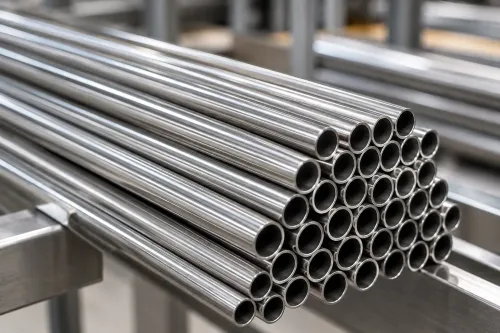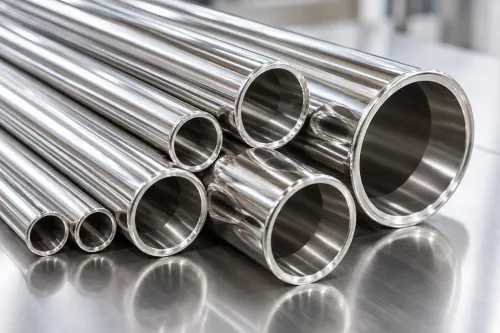
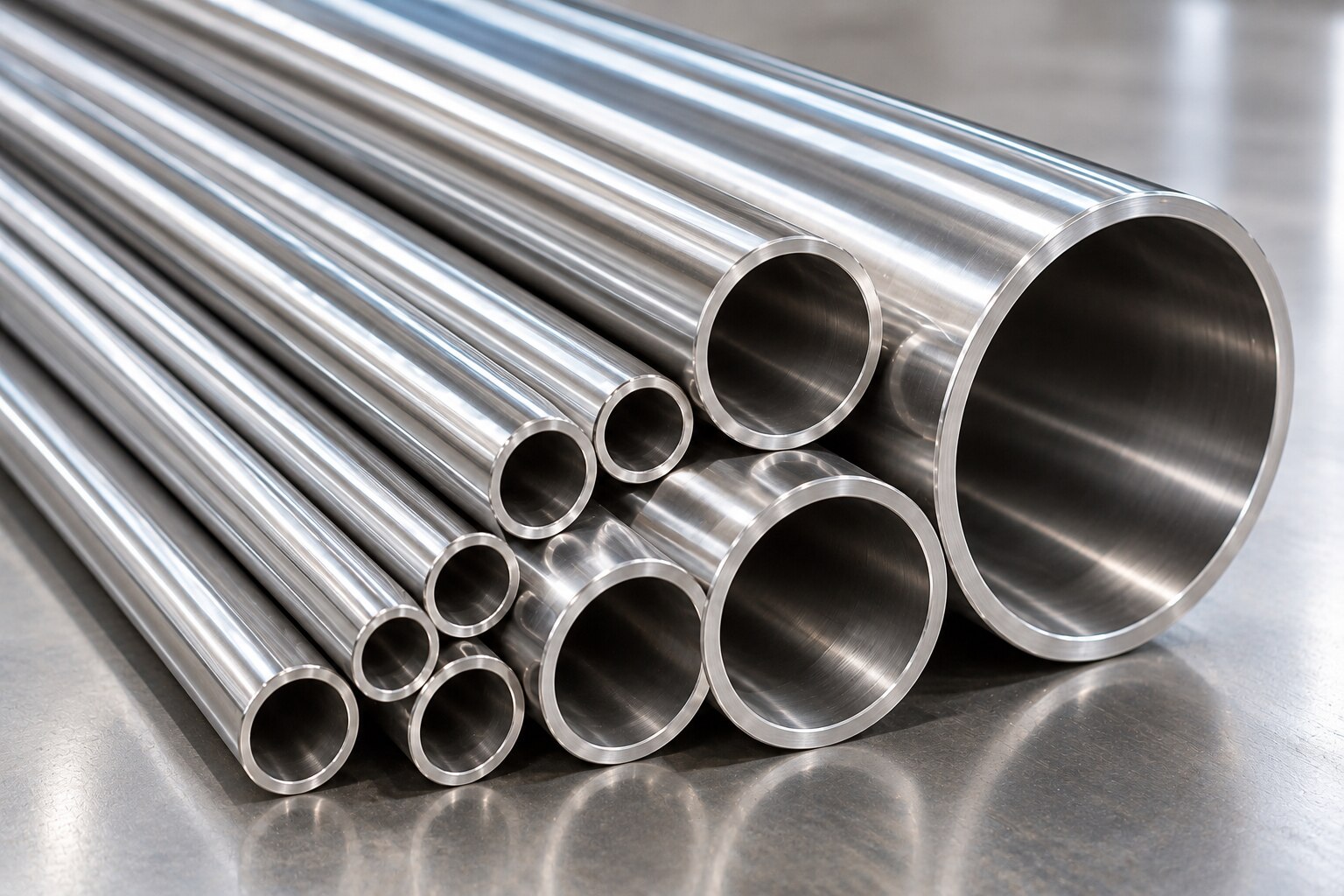
Stainless steel piping resists corrosion through a chromium-rich passive film, but that protection depends on alloy chemistry, fluid conditions, fabrication quality and drainage. By the end, you will be able to match 304L, 316L, duplex and higher-alloy grades to a service environment, identify the corrosion mechanism most likely to cause failure, and specify inspection and fabrication controls that preserve resistance.
Key takeaways
- Match the grade to chloride, pH, temperature, oxygen, and flow conditions.
- Use 316 stainless steel when chloride exposure exceeds 304’s practical resistance.
- Remove heat tint and contamination after welding to restore the passive surface.
- Eliminate stagnant zones, tight crevices, and deposits that concentrate corrosive chemicals.
How stainless steel grades respond to different industrial fluids
A grade must match the fluid’s chemistry and temperature, not just its pressure rating. Chloride concentration, pH, oxygen, flow velocity, stagnant zones and weld condition determine whether a pipe faces general corrosion, pitting, crevice attack or stress-corrosion cracking.
| Grade | Fluid and hazard response | Selection boundary |
|---|---|---|
| 304 stainless steel | Handles many clean, dry or mildly corrosive fluids, food liquids and moderate-temperature service | Avoid chloride-rich, warm, stagnant or acidic service |
| 304L | Same broad resistance as 304, with lower weld-zone intergranular-corrosion risk | Choose after welding when pitting and chloride attack are not the main hazards |
| 316 stainless steel | Molybdenum improves resistance to chloride pitting and crevice corrosion; useful for brines, wet process fluids and some chemical service | It can still pit in hot, concentrated or stagnant chlorides |
| 316L stainless steel | 316-level corrosion resistance with lower weld sensitization risk | Use for welded chloride-bearing systems, but do not treat it as chloride-proof |
| Duplex 2205 | Higher strength and stronger resistance to chloride pitting and chloride stress-corrosion cracking | Control weld heat input and ferrite/austenite balance |
304L and 316L limit chromium-carbide sensitization because their carbon limit is typically 0.030%, versus 0.080% for standard grades. They do not prevent pitting or chloride stress-corrosion cracking.
For severe chlorides or hot wet gases, compare duplex, 6Mo super-austenitic and higher-alloy grades using PREN: %Cr + 3.3(%Mo) + 16(%N). Confirm the choice against test data and the actual temperature, concentration and crevice conditions. A passivation treatment under ASTM A967/A967M cannot rescue an unsuitable alloy.
What protects stainless steel—and what breaks that protection
Chromium at roughly 10.5% or more creates a thin, chromium-rich passive oxide film that reforms after minor surface damage when oxygen and clean conditions are available. It is not a permanent coating. Machining, welding, iron contamination or chemical attack can expose the steel before repassivation occurs.
Molybdenum strengthens resistance to pit initiation and improves repassivation, which is why 316 and 316L generally outperform 304 and 304L in chloride service. Use the PREN formula for pitting resistance—approximately %Cr + 3.3(%Mo) + 16(%N)—to compare grades, not to predict service life.
304L and 316L limit chromium-carbide sensitization after welding because their carbon limit is typically 0.030% maximum, compared with 0.080% for the corresponding standard grades. That reduces intergranular-corrosion risk beside welds, but low carbon does not upgrade an unsuitable alloy or repair a damaged surface.
These protections stop short under specific conditions:
- Warm, concentrated or stagnant chlorides can pit 316L or produce crevice corrosion; molybdenum is not chloride-proof.
- High velocity, turbulence at elbows, flashing, cavitation or suspended solids can strip the passive film and cause erosion-corrosion.
- Low-carbon grades do not prevent pitting, crevice corrosion or chloride stress-corrosion cracking. Temperature, chloride activity, crevices, surface condition and welding still control the outcome.
Choose a grade by the actual corrosion mechanism
Do not choose a stainless grade until you identify what is attacking the pipe and where the attack starts. Review chloride concentration, pH, temperature, oxygen, flow velocity, stagnant zones, deposits, welds, cold-formed bends and tensile stress. Examine failures for broad wall thinning, pinholes, crevice-line attack, cracking or weld-boundary grooves.
| Failure mode | Main evidence and trigger | Grade-selection direction |
|---|---|---|
| General corrosion | Uniform wall loss from acid, caustic or process chemistry; confirm with thickness readings | Compare published corrosion-rate data; a higher alloy is not automatically safer |
| Pitting corrosion | Isolated cavities, often beneath deposits; chlorides, heat and low flow increase risk | Compare PREN: %Cr + 3.3(%Mo) + 16(%N); 316L usually exceeds 304L, while duplex 2205 offers more chloride resistance |
| Crevice corrosion | Attack under gaskets, clamps, deposits or threaded joints where oxygen is restricted | Improve the joint and consider higher molybdenum or duplex grades; 316L can still fail in warm, concentrated chlorides |
| Chloride stress-corrosion cracking | Branched cracks near welds, bends or cold-worked areas where chlorides, tensile stress and elevated temperature coincide | Duplex or ferritic grades generally resist it better than 304/316; remove residual stress rather than relying on grade alone |
| Intergranular corrosion | Weld-adjacent attack after sensitization | Use 304L or 316L, with carbon limited to 0.030% maximum |
Use PREN to screen grades, not to predict service life. Inspect weld ferrite/austenite balance in duplex pipe, and specify heat input. After hydrostatic testing, drain, rinse and dry chloride-bearing water; trapped residues can initiate pits.
Preserve corrosion resistance during welding, fabrication and inspection
Weld heat tint is a corrosion warning, not a colour preference. Its oxide scale and chromium-depleted layer can lower resistance to localized attack beside the weld. The 304L and 316L carbon limit—typically 0.030% maximum—reduces sensitisation and intergranular-corrosion risk after welding, but it does not stop pitting, crevice corrosion or chloride stress-corrosion cracking.
Control the fabrication route before the pipe reaches service:
- Keep stainless steel away from carbon-steel racks, grinding dust and shared wire brushes; iron contamination can create rust staining without proving the stainless substrate has corroded.
- Use dedicated stainless tooling and remove arc strikes, burrs and embedded particles before cleaning.
- Remove weld heat tint by qualified pickling, electropolishing, or a validated mechanical-and-chemical treatment; wire brushing alone can leave oxide and contamination.
- Apply pickling and passivation ASTM A967/A967M treatments with the specified acid, rinse quality and acceptance test matched to the grade and service.
- Inspect welds for cracks, undercut, incomplete fusion and sharp crevices, then verify dimensions and surface cleanliness before pressure testing.
Do not treat passivation as a coating or a cure for the wrong alloy. Confirm the weld procedure, heat input and post-weld treatment in the fabrication record.
For TIG-welded pipe, SMD Impex can be asked to provide the heat number, material certificate, weld documentation and pickling or passivation records so you can link each joint to its inspection evidence.
Related products
 | Seamless Pipes/Tubes Manufacturer & Supplier – Premium Quality Industrial Seamless Pipes and Tubes Seamless Pipes/Tubes Seamless Pipes and Tubes are high-strength... View product → |
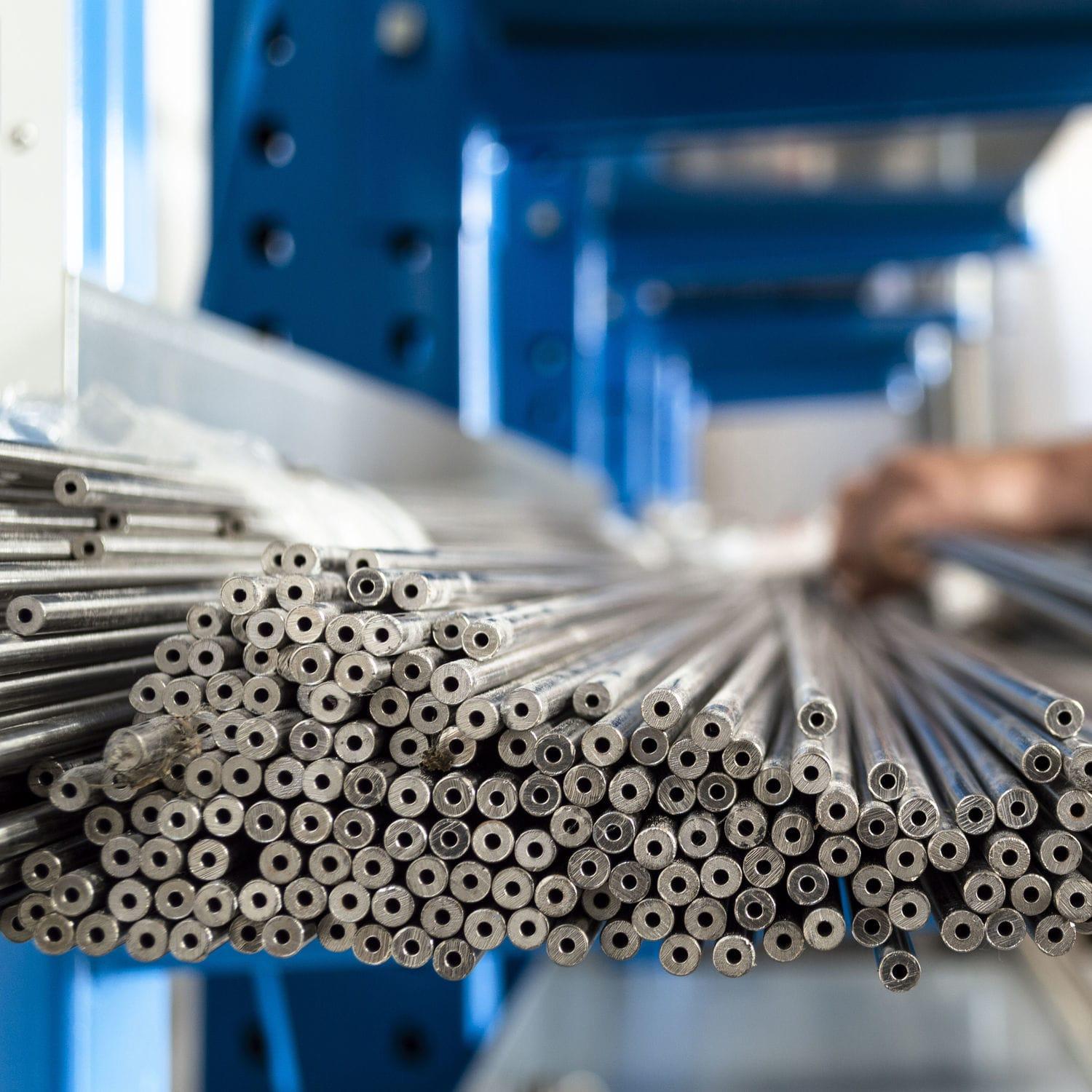 | Stainless Steel Hydraulic Tubes Stainless Steel Hydraulic Tubes Stainless Steel Hydraulic Tubes are engineered for high-pressure hydraulic and pneumatic applications where strength, corrosion resistance, and... View product → |
Design the piping system so stainless steel can keep working
Keep pipe runs short, continuously sloped, and accessible for drainage. Eliminate dead legs at valves, instruments and branch connections; a stagnant pocket concentrates chlorides and holds contamination against the metal. Place drains at low points and vents at high points so flushing removes trapped liquid and air.
| Risk | Design decision | Why it helps |
|---|---|---|
| Stagnant zones | Use swept branches, flushable sample points and full-bore valves | Reduces deposits and stagnant liquid |
| Erosion-corrosion | Limit flow velocity for the selected alloy and fluid; avoid abrupt reducers, tight elbows, flashing and cavitation | Protects the passive film from turbulence and solids |
| Galvanic corrosion | Electrically isolate stainless from carbon steel, or use compatible materials and suitable coatings | Prevents the smaller carbon-steel area from acting as a rapidly corroding anode |
| Contamination | Segregate stainless from carbon-steel racks, tools and grinding dust | Stops embedded iron from creating rust staining and local attack |
During commissioning, flush with clean water compatible with the alloy, remove construction debris, verify that every low point drains, and inspect welds and fittings before introducing process fluid. Pickling or passivation to ASTM A967/A967M does not rescue poor geometry or an unsuitable grade.
Control start-up and shutdown rates to avoid sudden velocity changes, water hammer, flashing and cavitation.
Frequently asked questions
How do industrial fluids affect stainless steel pipe grades?
Chloride concentration, pH, temperature, oxygen, flow velocity, and stagnant zones determine whether a grade faces general corrosion, pitting, crevice attack, or stress-corrosion cracking.
What protects stainless steel from corrosion?
A thin chromium-rich passive oxide film protects the surface. Chlorides, deposits, weld heat tint, iron contamination, and damaged surfaces can break down that protection.
How should you choose a stainless steel grade for corrosion resistance?
Identify the actual corrosion mechanism first, then compare grades against the fluid chemistry, operating temperature, chloride level, stress, and flow conditions. Do not choose by pressure rating alone.
How can welding and fabrication reduce stainless steel pipe corrosion resistance?
Control heat input, prevent carbon-steel contamination, remove weld heat tint, clean the surface, and inspect welds before commissioning.
What piping design choices help stainless steel resist corrosion?
Provide continuous drainage, avoid dead legs and tight crevices, maintain suitable flow, prevent deposits, and make inspection and cleaning accessible.
Related products
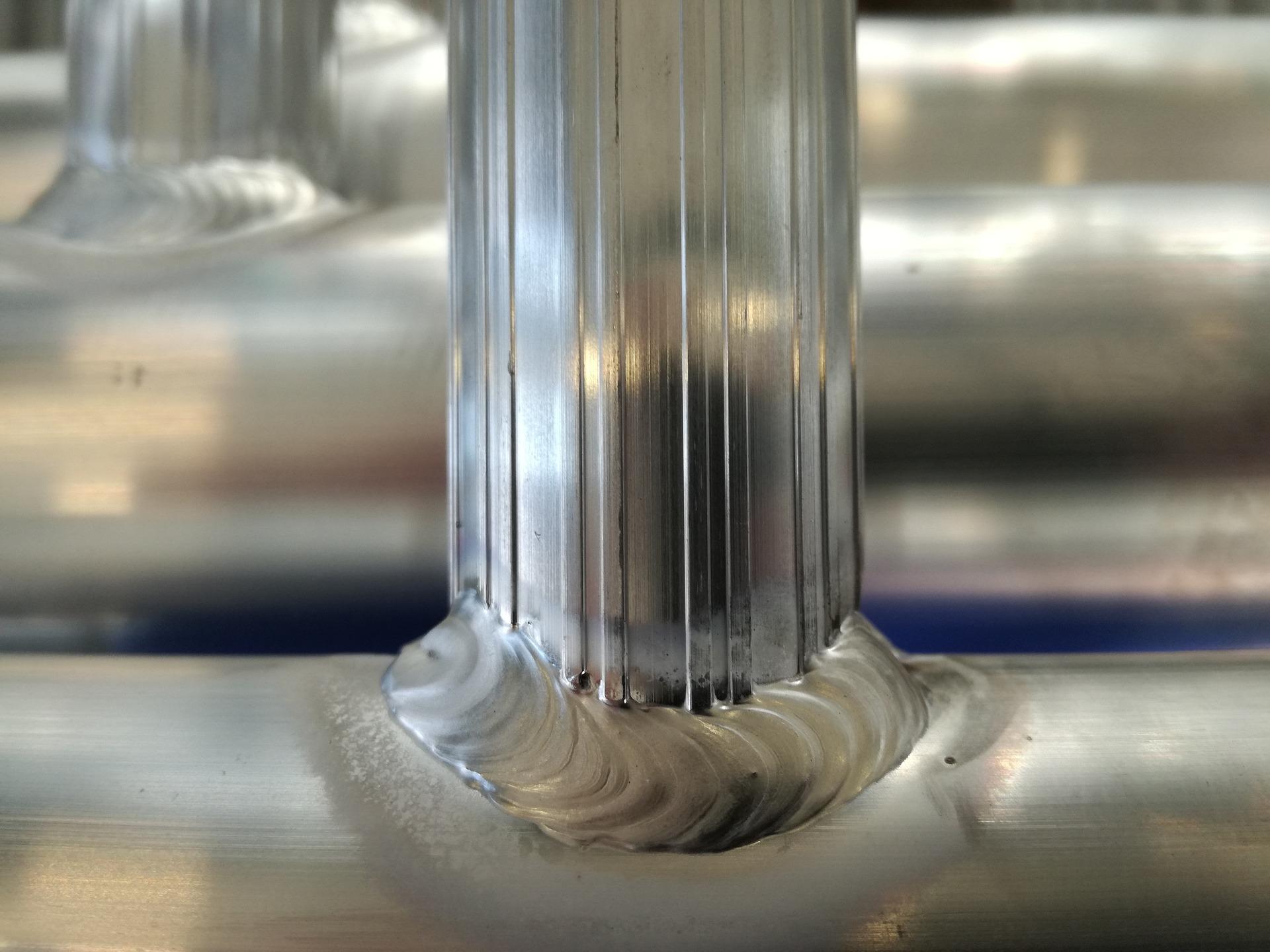 | TIG Welded Tubes & Pipes High-quality TIG Welded Tubes & Pipes are widely used in industries where precision, corrosion resistance, and superior weld quality are essential. View product → |
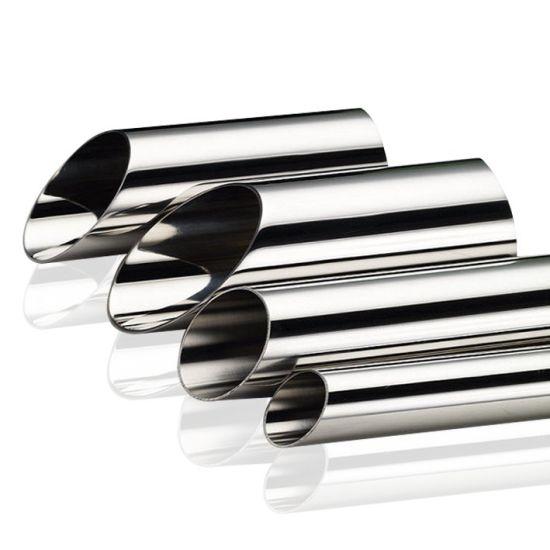 | Stainless Steel Sanitary Tubes Stainless Steel Sanitary Tubes Stainless Steel Sanitary Tubes are precision-engineered tubes manufactured to meet stringent hygiene standards for industries where cleanliness and... View product → |
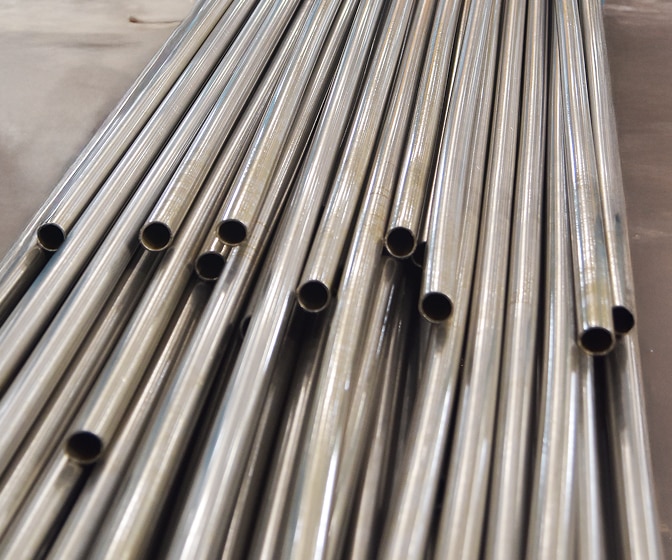 | Large Diameter Pipes Manufacturer & Supplier Large Diameter Pipes are engineered for heavy-duty industrial applications where high flow capacity, structural strength, and... View product → |
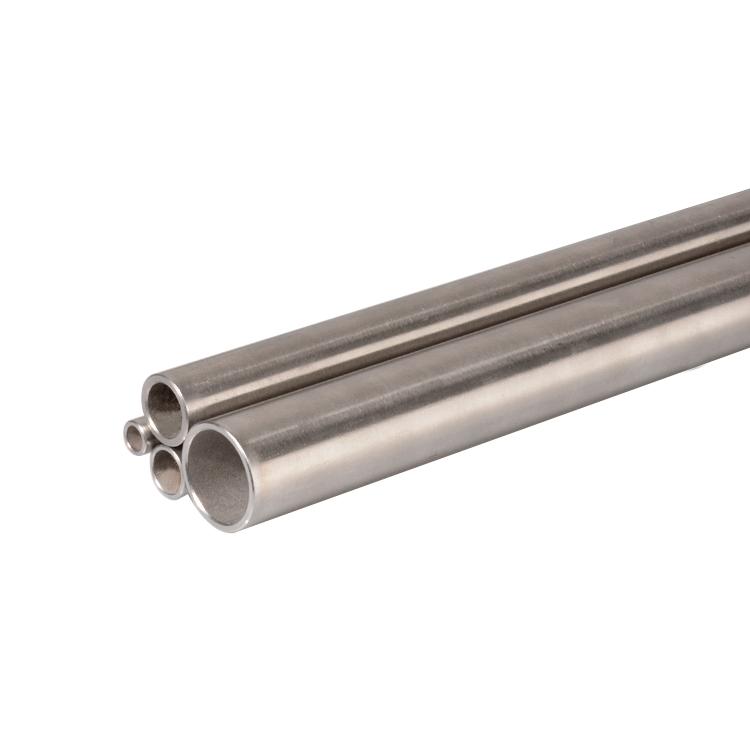 | Stainless Steel Instrumentation Tubes Stainless Steel Instrumentation Tubes High-Precision Tubing for Industrial Applications Stainless Steel Instrumentation Tubes Supplier in Vadodara Stainless Steel Instrumentation Tubes... View product → |