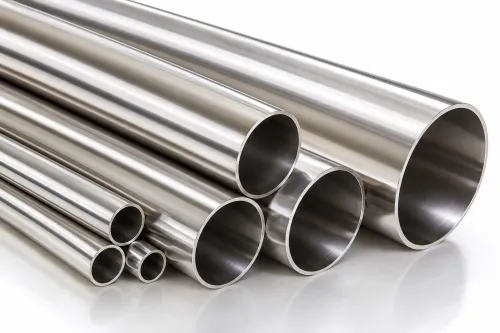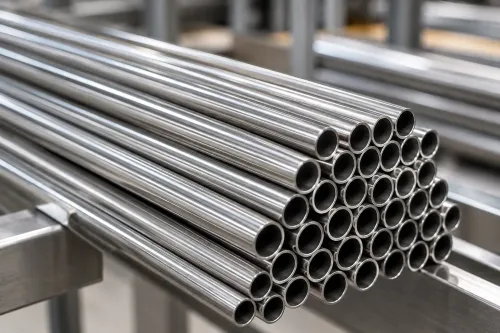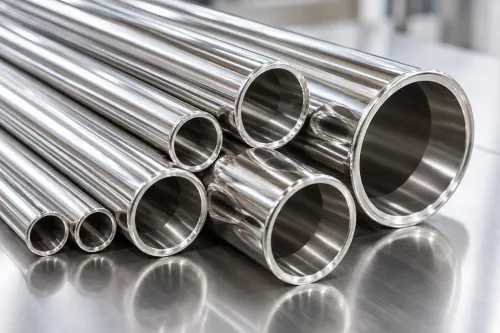
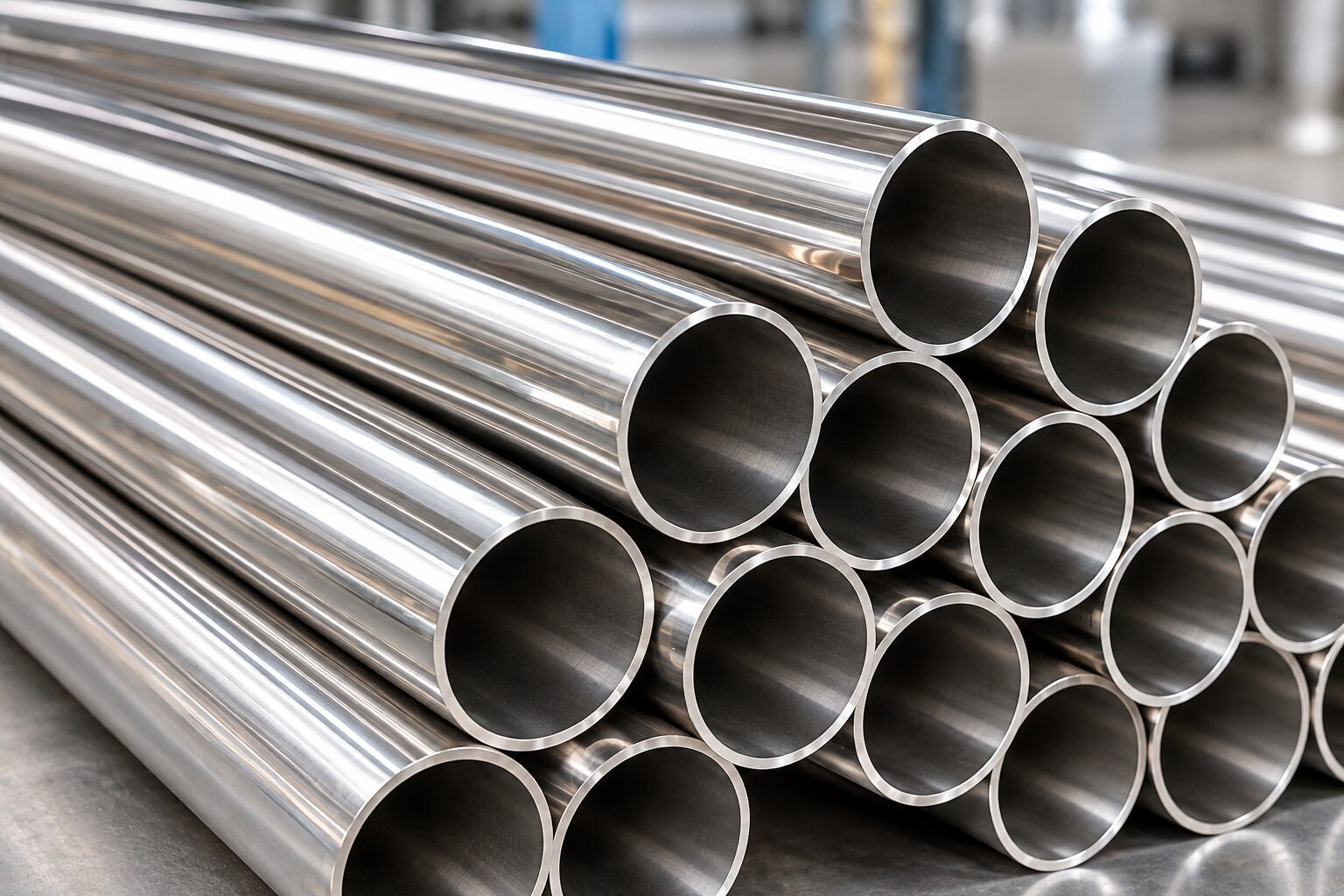
The same stainless steel tube may carry a sterile product, transmit an instrument signal, withstand hydraulic pressure, or transfer heat inside a U-tube bundle. Choosing the correct form requires matching the tube’s dimensions, grade, surface, joining method, and inspection records to the service rather than treating “stainless tube” as one specification.
Key takeaways
- Select tube dimensions from pressure, flow, bending and installation requirements.
- Match stainless grade and surface finish to chemicals, temperature and cleaning cycles.
- Specify weld quality, drainability, cleanliness and documentation before ordering.
- Use ASME BPE designations when hygienic process lines require controlled surface performance.
Where SS tubes work across manufacturing industries
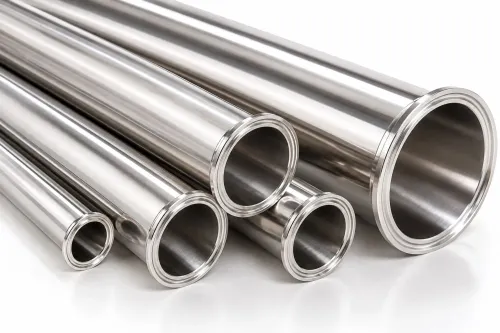
Sanitary tubes carry product and cleaning fluids where drainability, clean welds and low-retention surfaces matter more than appearance alone. Dairy process lines, beverage processing, pharmaceutical manufacturing and biotech process lines use them for transfer, filling, mixing and clean-in-place circuits. ASME BPE surface designations, internal weld geometry and electropolishing can determine cleanability alongside the stainless grade.
| Form | Industries and systems | What the tube does |
|---|---|---|
| Sanitary tubes | Dairy, beverage, pharmaceutical and biotech processing | Moves product, purified water, gases and cleaning solutions through hygienic equipment without creating contamination traps. |
| Instrumentation tubes | Chemical plants, refineries, utilities and automated manufacturing | Connects pressure transmitters, gauges, sampling points and control valves through impulse and signal circuits. |
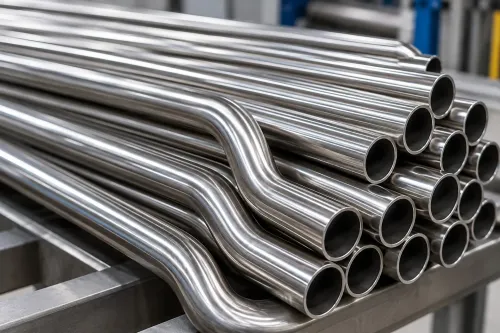
| Hydraulic tubes | Power units, mobile equipment, machine tools and automation | Carries pressurised oil between pumps, valves, actuators and cylinders; accurate bending reduces fittings and leak points. |
| U-tubes | Shell-and-tube heat exchangers in process plants, power systems and HVAC equipment | Forms the heat-transfer path, allowing one tube bundle to provide both inlet and outlet connections. |
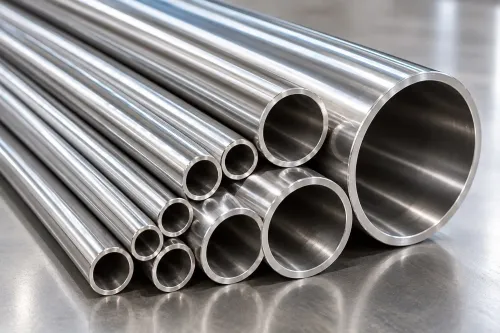
| Straight heat-exchanger tubes | Boilers, condensers, coolers and industrial heaters | Transfers heat through tube walls while fluids remain separated; tube-sheet joints contain the pressure boundary. |
| Large-diameter stainless pipes | High-flow process lines, water systems, exhaust systems and plant utilities | Moves large volumes with lower velocity loss than small tubing, serving headers, mains and distribution networks. |
The tube form defines the system’s job, but the installed design still controls pressure, supports, flexibility and relief protection. A product standard alone does not establish those requirements; process piping also needs the governing code, such as ASME B31.3.
Choose the tube form and dimensions for the duty
Choose welded versus seamless by consequence of failure, inspection access, and cost. Welded tube suits long runs and many general-service or heat-transfer duties when the longitudinal weld receives specified examination and testing. Choose seamless for high-pressure, cyclic, or highly critical service when eliminating the weld feature justifies tighter manufacturing control.
| Option | What it means | When it applies |
|---|---|---|
| Welded tube | Strip formed and longitudinally welded | Long lengths, general service, and heat transfer with weld inspection |
| Seamless tube | Formed without a longitudinal weld | High pressure, cycling, or critical duty |
| Straight tube | Fixed-length tube with accessible ends | Rigid runs, tube-sheet assemblies, and easy mechanical cleaning |
| U-tube heat exchanger | Tubes bent into a return loop | Thermal expansion and compact exchanger layouts; cleaning the bend is harder |
| Tube versus pipe | Tube uses OD and wall; pipe uses nominal size and schedule | Use tube dimensions for fit, bends, and tube sheets; use pipe sizing for process lines |
Set OD from the required connection, tube-sheet hole, and target velocity. A larger OD increases flow area and lowers velocity for the same flow, while a smaller OD saves space but raises pressure drop, erosion, and vibration risk.
Set wall thickness for pressure, corrosion allowance, handling, and bending. Excess wall reduces flow area and heat transfer; insufficient wall leaves little margin after thinning at bends.
Specify straight length, U-bend radius, allowable ovality, and wall thinning with the fabricator. For heat exchangers, match length and support spacing to prevent fretting. Do not substitute ASTM A312 pipe for ASTM A269 tube without checking fit; use ASTM A213 or A249 when the exchanger standard applies.
Match stainless grade and surface to the service environment
Choose the alloy for the actual failure mechanism, then specify the internal surface separately. A polished 316L tube is not automatically safer than a rough 304L tube if poor welds, stagnant pockets, or chloride deposits control the failure.
| Grade | Main selection basis | Limits and controls |
|---|---|---|
| 304L | General food, utility, and mildly corrosive service; low carbon reduces sensitization after welding | Chloride exposure can cause pitting and crevice attack |
| 316L | Molybdenum improves resistance to chlorides, chemicals, and pharmaceutical environments | It is not immune to chloride pitting at high concentration, temperature, deposits, or stagnant joints |
| Duplex stainless steel | Higher resistance to chloride pitting, crevice corrosion, and chloride-stress-corrosion cracking | Require solution annealing and weld control; ASTM A923 can detect harmful intermetallic phases |
| 321 | Titanium-stabilized choice for elevated-temperature service and repeated weld heating | Select it for thermal exposure, not as a universal corrosion upgrade |
| 347 | Niobium-stabilized choice for elevated-temperature welded service | Confirm the temperature, weld history, and post-weld treatment before specifying it |
For sour service, grade alone is inadequate. ISO 15156/NACE MR0175 evaluates hydrogen-sulfide partial pressure, acidity, temperature, chlorides, tensile stress, hardness, heat treatment, and cold work; apply its limits to welds as well as tube.
Sanitary systems add a separate surface decision. Use ASME BPE to define finish, weld geometry, drainability, and inspection; electropolishing can improve cleanability, but it cannot correct dead legs or internal oxidation. Specify cleaning and passivation controls, with ASTM A380 and ASTM A967 records where applicable.
Control welding, bending, installation, and tube cleanliness
A bright external weld can hide internal oxidation, so control the weld root as carefully as the visible bead. Use TIG welding with a stable purge gas flow, clean argon lines, and verified oxygen levels; inadequate shielding creates “sugaring” inside the tube.
Orbital welding improves repeatability on small-diameter process tubing, but tube ovality, wall variation, fit-up, and weld-head setup still require inspection. Check the heat-affected zone for cracking, excessive width, and weld discoloration.
- Cut tubes square and remove burrs without embedding iron.
- Confirm alignment and root gap before welding.
- Record weld parameters, purge duration, gas flow, and operator or weld-head identification.
- For duplex grades, control heat input and solution-annealed condition; excessive heat can damage phase balance.
Bend tubes with a calibrated machine, the specified bend radius, and a mandrel where flattening could restrict flow. Reject kinks, wrinkles, cracks, and ovality that prevents proper fitting engagement.
Use compression fittings or double-ferrule fittings only on round, undamaged tube with the correct wall thickness. Tighten them to the manufacturer’s turns or torque; overtightening can collapse the tube and cause leaks.
Set support spacing to limit sag and flow-induced vibration, especially at heat-exchanger baffles, tube-sheet entries, and direction changes. Remove carbon-steel chips, oil, scale, and heat tint; clean to ASTM A380 and passivate or verify treatment under ASTM A967 before service. Keep capped tubes in clean packaging until installation.
Build a purchase specification that matches the installed system
Specify the installed connection, not just “stainless tube.” State outside diameter, wall thickness, length, end preparation, ovality limits, bend radius, surface finish, grade, and whether the item must fit a tube sheet, compression fitting, orbital weld, or sanitary clamp.
Tube dimensions are not pipe schedules: ASTM A269 covers austenitic tubing, while ASTM A312 covers stainless pipe.
| Service | Product standard | Extra purchase controls |
|---|---|---|
| Process lines and utilities | ASTM A269 or ASTM A312 | Check ASME B31.3 design pressure, temperature, supports, flexibility, and relief requirements separately |
| Boilers and heat exchangers | ASTM A213 for seamless; ASTM A249 for welded | Specify tube-sheet fit, support spacing, vibration limits, cleaning method, and allowable wall loss |
| Welded equipment tubing | ASTM A269 or ASTM A249 | Define weld-zone inspection, bead condition, heat treatment, and restrictions on bending across the weld |
Request heat number traceability, grade and chemistry, tensile and yield results, hardness, dimensional records, surface inspection, and material certificates. Require hydrostatic testing or a named nondestructive testing method, such as eddy-current or ultrasonic examination, with acceptance criteria and reports.
For welded tube, identify longitudinal weld qualification and inspection results; an unexamined weld can become the leak path after installation.
SMD Impex can be asked to quote against this schedule for sanitary, hydraulic, instrumentation, or TIG-welded tubing, with each line item tied to its certificate and test report rather than a generic grade description.
Related products
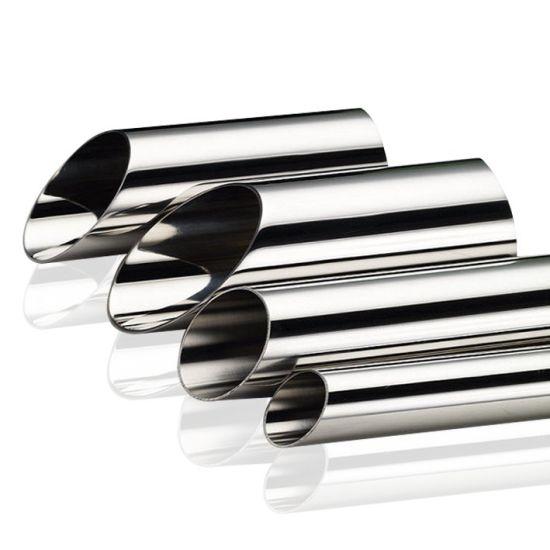 | Stainless Steel Sanitary Tubes Stainless Steel Sanitary Tubes Stainless Steel Sanitary Tubes are precision-engineered tubes manufactured to meet stringent hygiene standards for industries where cleanliness and... View product → |
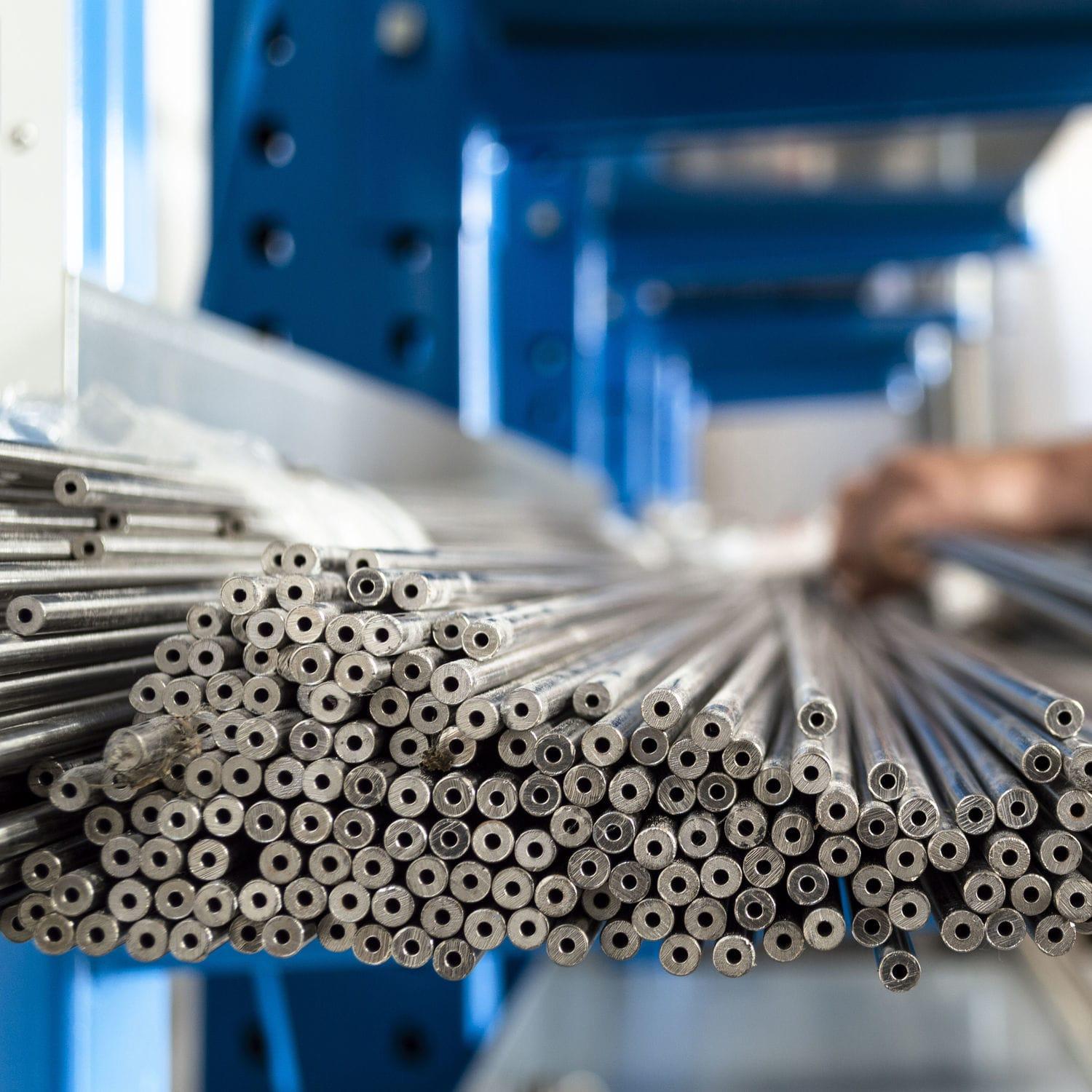 | Stainless Steel Hydraulic Tubes Stainless Steel Hydraulic Tubes Stainless Steel Hydraulic Tubes are engineered for high-pressure hydraulic and pneumatic applications where strength, corrosion resistance, and... View product → |
Frequently asked questions
Where are stainless steel tubes used in manufacturing?
Stainless steel tubes serve dairy, beverage, pharmaceutical and biotech process lines, including transfer, filling, mixing and clean-in-place circuits.
How do you choose stainless steel tube dimensions?
Choose the tube form, outside diameter, wall thickness and length from flow, pressure, bending, support and installation requirements.
How should you match stainless steel grade and surface finish to service?
Assess the process fluid, temperature, cleaning chemicals and corrosion exposure, then specify a grade and internal surface finish that support the duty.
What must you control when installing stainless steel tubes?
Control welding, bending, alignment, support, drainability and cleanliness so the installed tube does not create retention points or contamination risks.
What belongs in a stainless steel tube purchase specification?
State the tube form, dimensions, grade, surface finish, weld requirements, applicable standard, testing, traceability documents and cleanliness requirements.
Related products
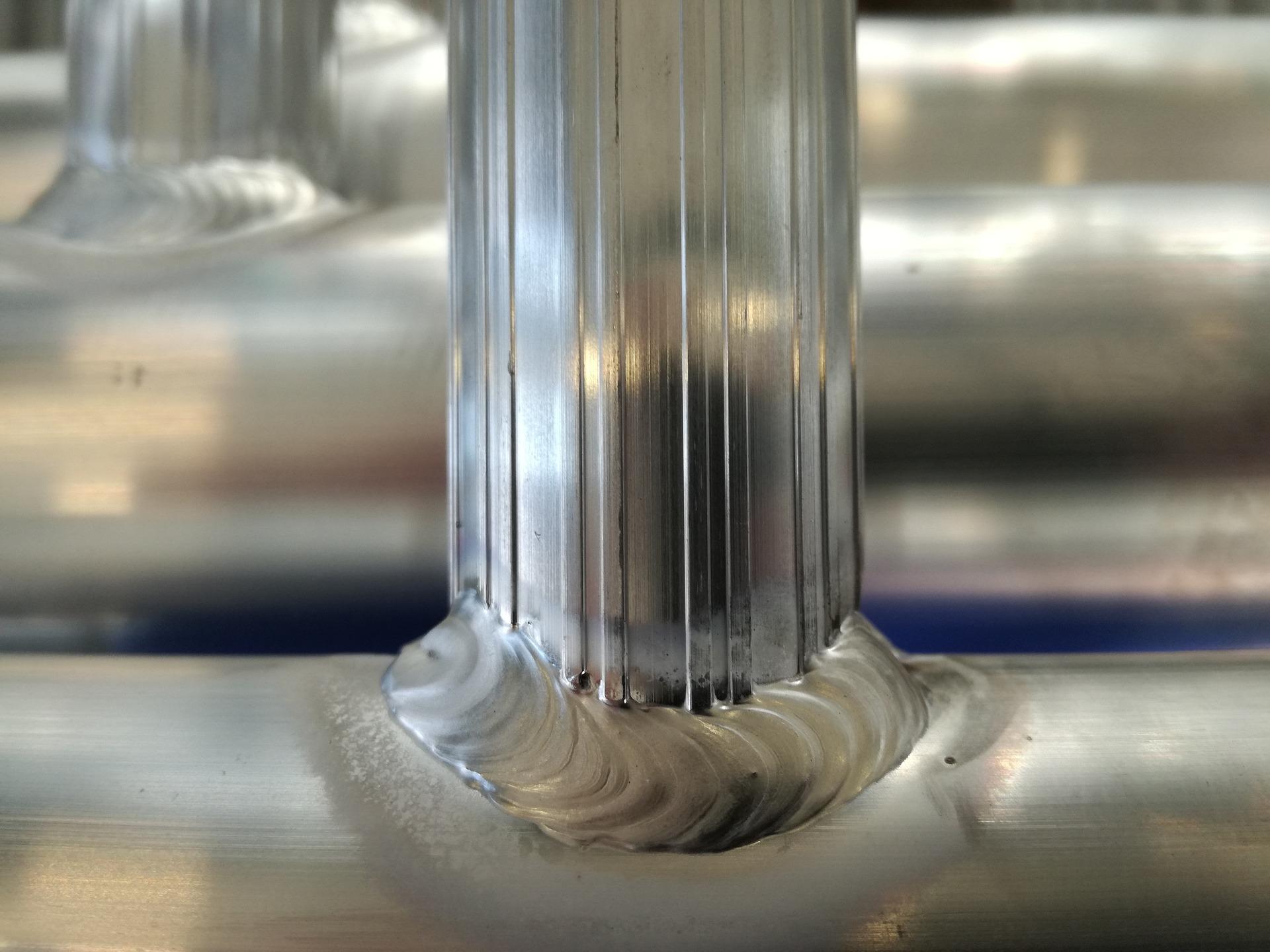 | TIG Welded Tubes & Pipes High-quality TIG Welded Tubes & Pipes are widely used in industries where precision, corrosion resistance, and superior weld quality are essential. View product → |
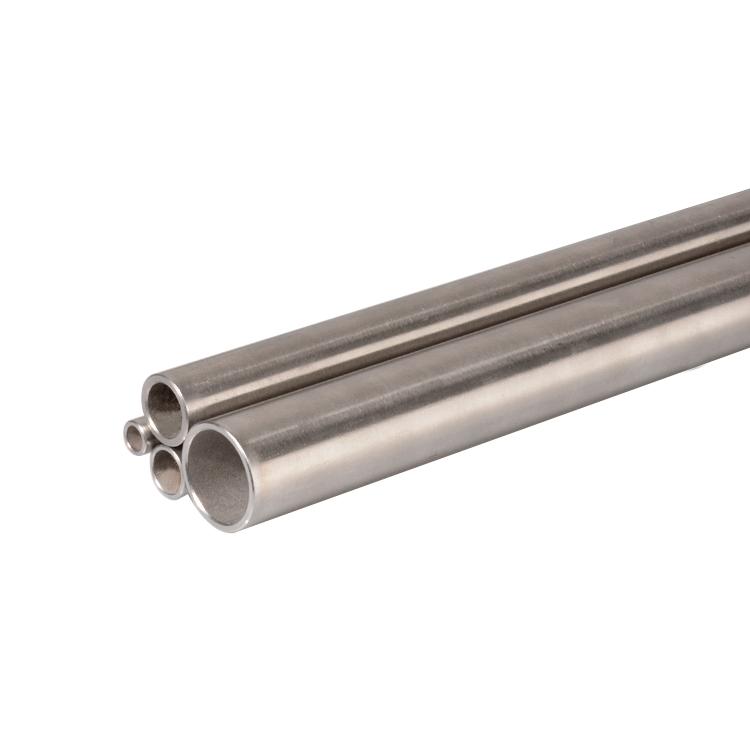 | Stainless Steel Instrumentation Tubes Stainless Steel Instrumentation Tubes High-Precision Tubing for Industrial Applications Stainless Steel Instrumentation Tubes Supplier in Vadodara Stainless Steel Instrumentation Tubes... View product → |
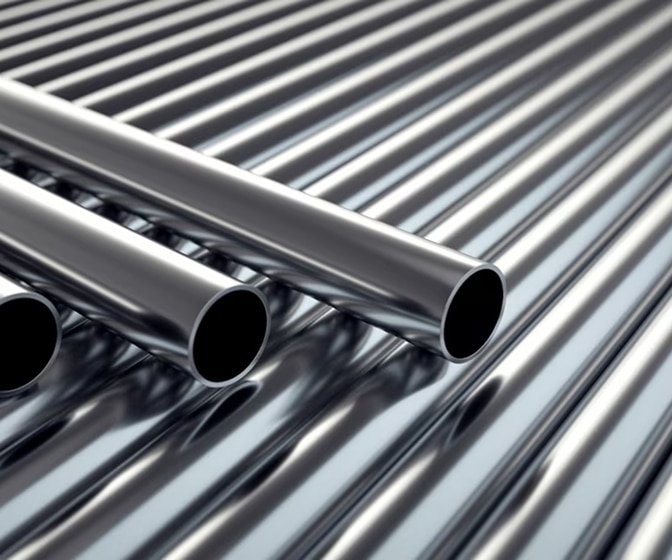 | Seamless Pipes/Tubes Manufacturer & Supplier – Premium Quality Industrial Seamless Pipes and Tubes Seamless Pipes/Tubes Seamless Pipes and Tubes are high-strength... View product → |
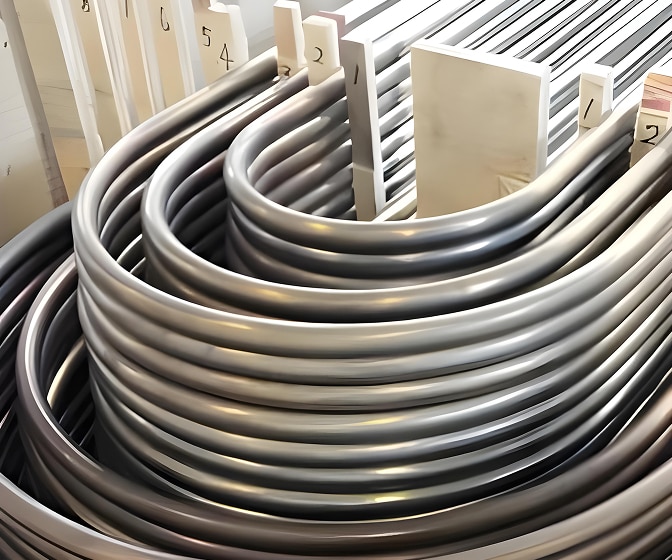 | U – Tubes U – Tubes U-Tubes Manufacturer & Supplier – Premium Quality U-Tubes for Heat Exchangers Our U-Tubes are precision-engineered to deliver exceptional performance... |