

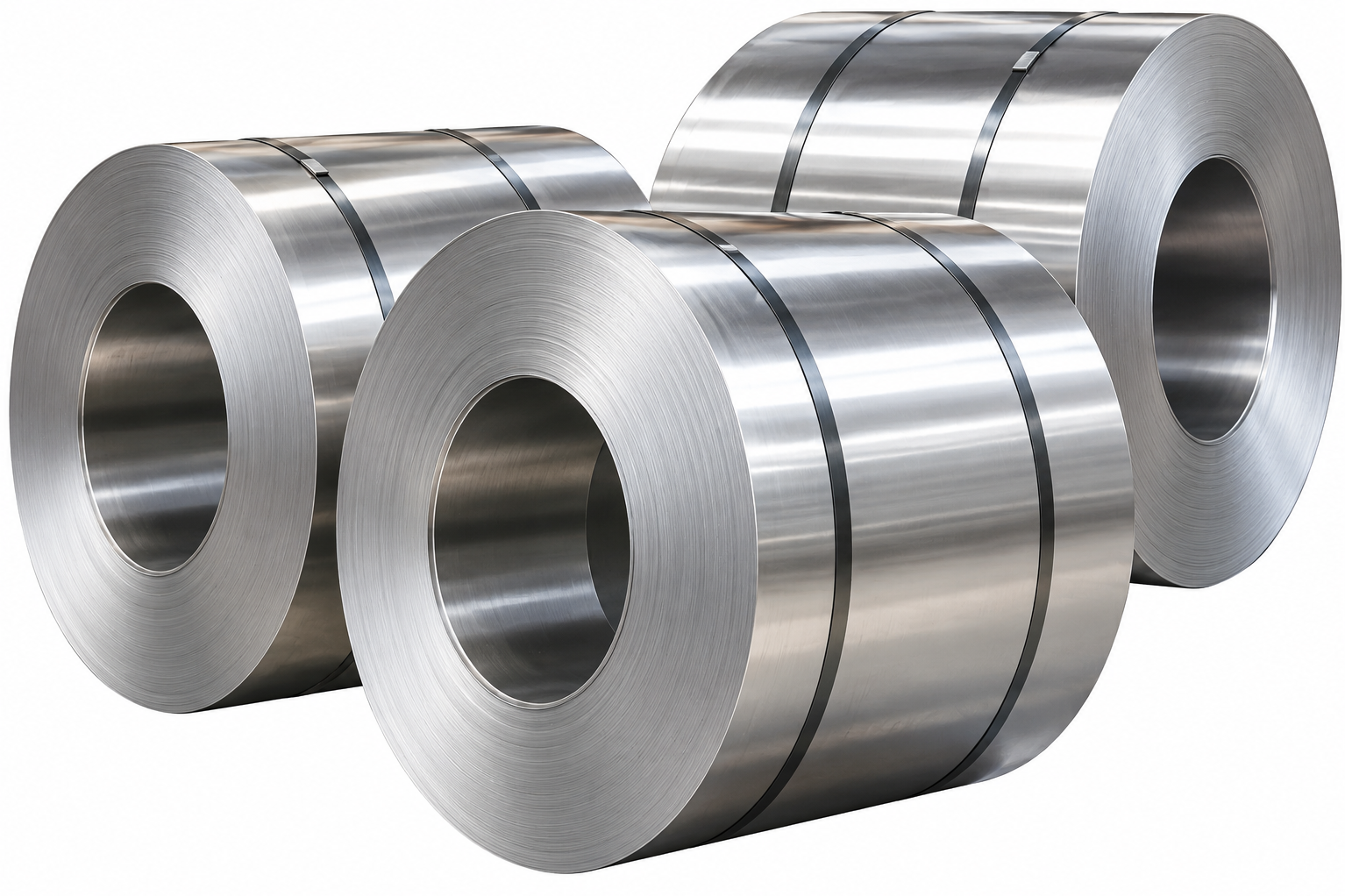
Manufacturers producing high volumes of repetitive stainless steel components often need a material format that supports continuous processing and efficient production. SS Coils can be particularly useful in applications where stainless steel strip or sheet is fed into cutting, forming, stamping, profiling, tube-making, or other manufacturing operations.
For manufacturers and industrial fabricators in Vadodara, Gujarat, the decision between coil-fed material and individual sheets can influence productivity, scrap generation, handling, storage, and overall manufacturing economics.
Why Manufacturers Use Coil Material
Coils provide stainless steel in a continuous rolled format. Instead of handling separate sheets one at a time, manufacturers can feed material through appropriate processing equipment.
Depending on the production setup, this can support:
- Continuous forming
- Slitting
- Stamping
- Profiling
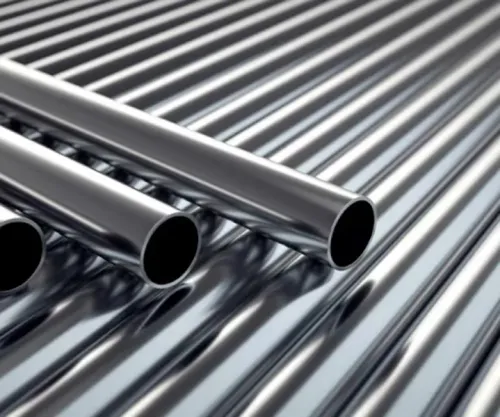
- Tube manufacturing
- Repetitive component production
- Automated processing
The value of coil material becomes particularly clear when the manufacturing operation is designed around continuous feed.
Production Volume Matters
Coils are not automatically the ideal format for every requirement.
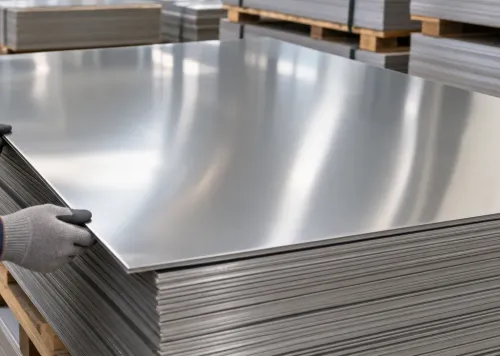
For small quantities, prototype work, occasional fabrication, or jobs requiring many unrelated component sizes, sheet or plate may be more practical.
Coil material becomes more attractive when production volume justifies the setup and the same material specification is used repeatedly.
Manufacturers should therefore consider annual consumption and batch size rather than evaluating material format only by unit price.
Width Planning Can Reduce Scrap
Coil width is an important purchasing consideration.
If the width is poorly matched to the components being produced, manufacturers may generate unnecessary edge scrap. Where slitting is part of the production process, planning strip widths around the finished components can improve material utilization.
A useful calculation compares:
- Incoming coil width
- Required strip width
- Number of strips produced
- Edge trim
- Process losses
- Finished component yield
This provides a more realistic view of material efficiency.
Thickness Consistency Supports Processing
Automated equipment generally performs more predictably when incoming material is consistent with the specified dimensions.
Thickness requirements should therefore be communicated clearly during procurement.
Manufacturers should also consider the tolerances required by their forming, stamping, welding, or profiling operations.
A material specification that is acceptable for one process may not necessarily suit another process with tighter dimensional needs.
Surface Requirements Still Matter
Coil material may eventually become a visible product surface, a process-equipment component, an industrial assembly, or another finished item.
Surface finish and protection requirements should therefore reflect the final application.
Handling equipment, decoiling, straightening, and processing can affect the surface, making production controls important when appearance is critical.
Consider the Total Manufacturing Cost
Comparing coil and sheet purely on material price can overlook important operational differences.
A better analysis includes:
- Material utilization
- Processing speed
- Labour
- Handling
- Storage
- Setup time
- Scrap
- Production volume
- Inventory management
A slightly different raw-material purchasing strategy can sometimes create savings elsewhere in production.
Prepare a Detailed Coil Enquiry
Manufacturers in Vadodara serving engineering and process industries across Gujarat should communicate the grade, thickness, width, quantity, surface requirement, application, and relevant technical specifications when sourcing coil material.
SMD Impex works with industrial stainless steel requirements where these details help align material supply with manufacturing needs.
The key advantage of stainless steel coil lies in its ability to support continuous and repetitive production. That advantage is strongest when coil width, thickness, grade, finish, and production equipment are planned together.
Manufacturers considering a shift from sheet-based processing should therefore evaluate production volume, component geometry, scrap, handling, and equipment capability. The most efficient raw-material format is the one that supports the complete manufacturing process rather than simply offering an attractive purchase price.