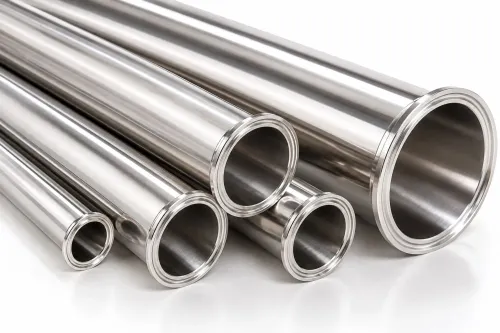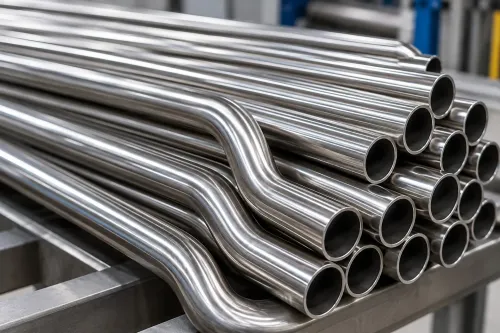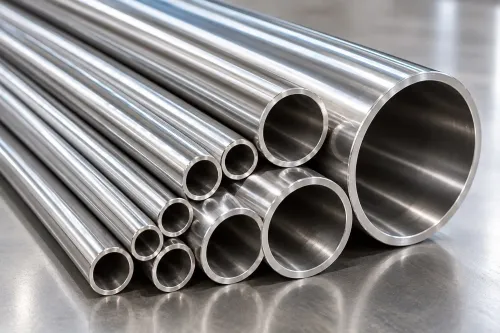
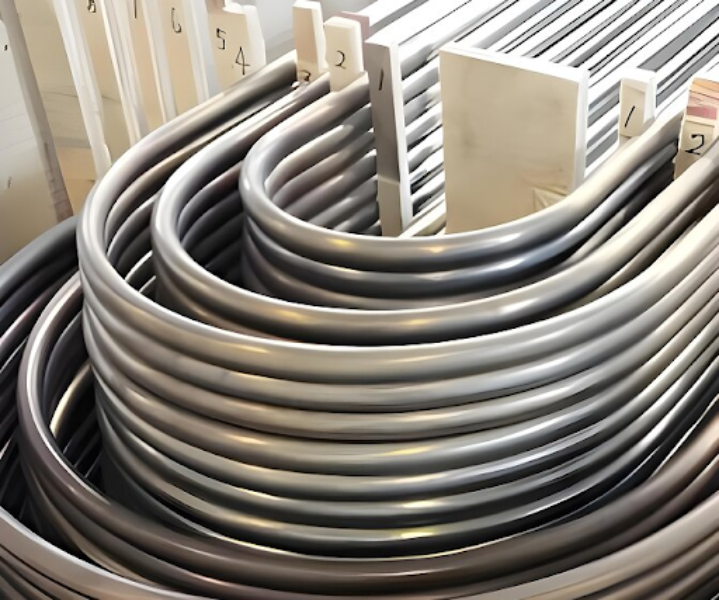
Heat exchangers are used throughout chemical processing, power generation, oil and gas operations, pharmaceutical manufacturing, and other process industries. In certain heat exchanger designs, SS U-Tubes provide the heat-transfer pathway while allowing the tube to return through a controlled bend.
Because the tube includes both straight sections and a formed U-bend, procurement requires attention to more than diameter and wall thickness. Material grade, bend geometry, dimensions, surface condition, testing, documentation, and project specifications can all influence suitability.
For process equipment manufacturers and EPC contractors in Vadodara, a technically complete enquiry is particularly important when U-tubes are being sourced for fabricated equipment.
Understand the Equipment Requirement
Before requesting quotations, establish how the tubes will be used.
Important information may include:
- Heat exchanger design
- Process medium
- Operating conditions
- Tube dimensions
- Material grade
- Required bend geometry
- Straight leg lengths
- Quantity
- Applicable project specification
The equipment drawing and engineering documentation should form the basis of the purchase requirement.
Bend Geometry Needs Precision
The U-bend distinguishes these tubes from ordinary straight tubing.
The bend must correspond with the heat exchanger layout so that the tube can be correctly positioned within the assembly.
Procurement documentation should clearly communicate relevant dimensional requirements rather than relying on a generic description.
Incorrect geometry can create problems during tube bundle assembly and may result in material that cannot be used as intended.
Material Grade Depends on Service
Heat exchanger tubing can be exposed to process fluids, utilities, elevated temperatures, corrosive conditions, and repeated operating cycles.
Material grade should therefore be selected according to the approved equipment design and service environment.
Stainless steel grades differ in corrosion resistance and other properties, making engineering approval essential.
Procurement teams should avoid substituting grades based solely on commercial availability.
Tube Surface and Condition Matter
The tube must remain suitable for assembly and service after forming and handling.
Surface damage, contamination, dimensional issues, and poor storage practices can create problems before installation.
Incoming inspection should therefore verify the tube against the purchase specification and check visible condition before fabrication proceeds.
Testing Should Be Defined Early
Heat exchanger projects may specify particular inspection and testing requirements.
Rather than assuming that standard supply will automatically satisfy every project, buyers should include required testing and documentation in the original enquiry.
This allows suppliers to quote against the complete requirement and helps quality teams review material more efficiently upon receipt.
Documentation Supports Project Control
For engineered equipment, documentation can be important for material verification and project records.
Specify certificate and identification requirements before the purchase order is finalized.
If traceability procedures apply during fabrication, the project team should also have a method for maintaining material identification after tubes are received and processed.
Supplier Evaluation Should Be Requirement Based
Vadodara has an established process-equipment and engineering ecosystem serving industrial projects throughout Gujarat and other regions. Heat exchanger manufacturers operating in this market often work against detailed client specifications and production schedules.
SMD Impex supplies stainless steel products for industrial requirements and can evaluate enquiries more accurately when buyers provide complete tube specifications, dimensions, quantities, testing needs, and documentation expectations.
Choosing a U-tube supplier should therefore begin with technical readiness rather than a price-only comparison.
A useful enquiry contains enough information for the supplier to understand the exact equipment requirement. When material grade, tube dimensions, bend geometry, testing, documentation, and delivery requirements are established before purchasing, the resulting quotation is easier to evaluate and the risk of problems during heat exchanger assembly is reduced.
Keywords