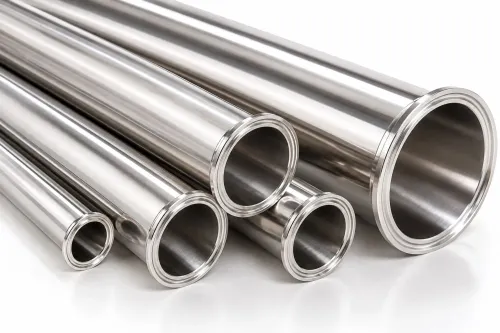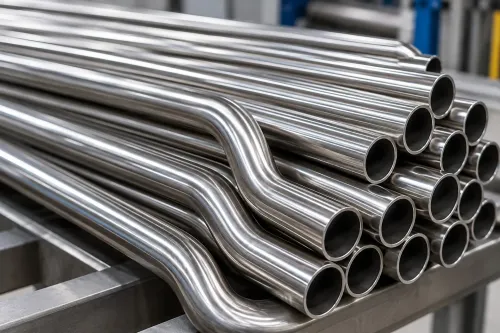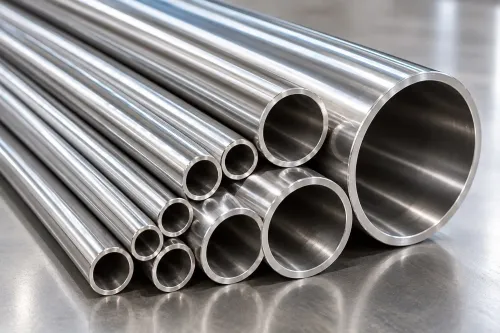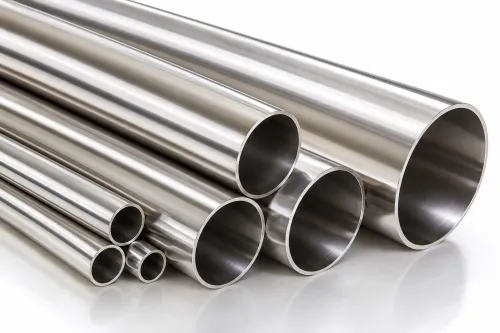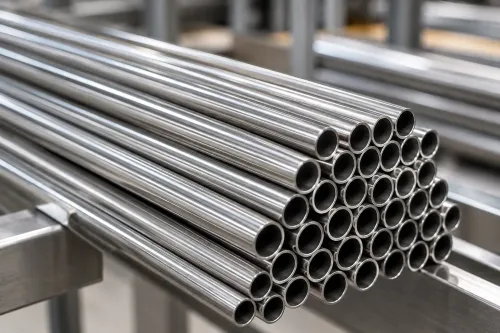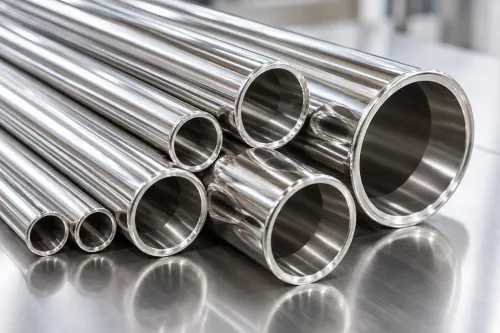
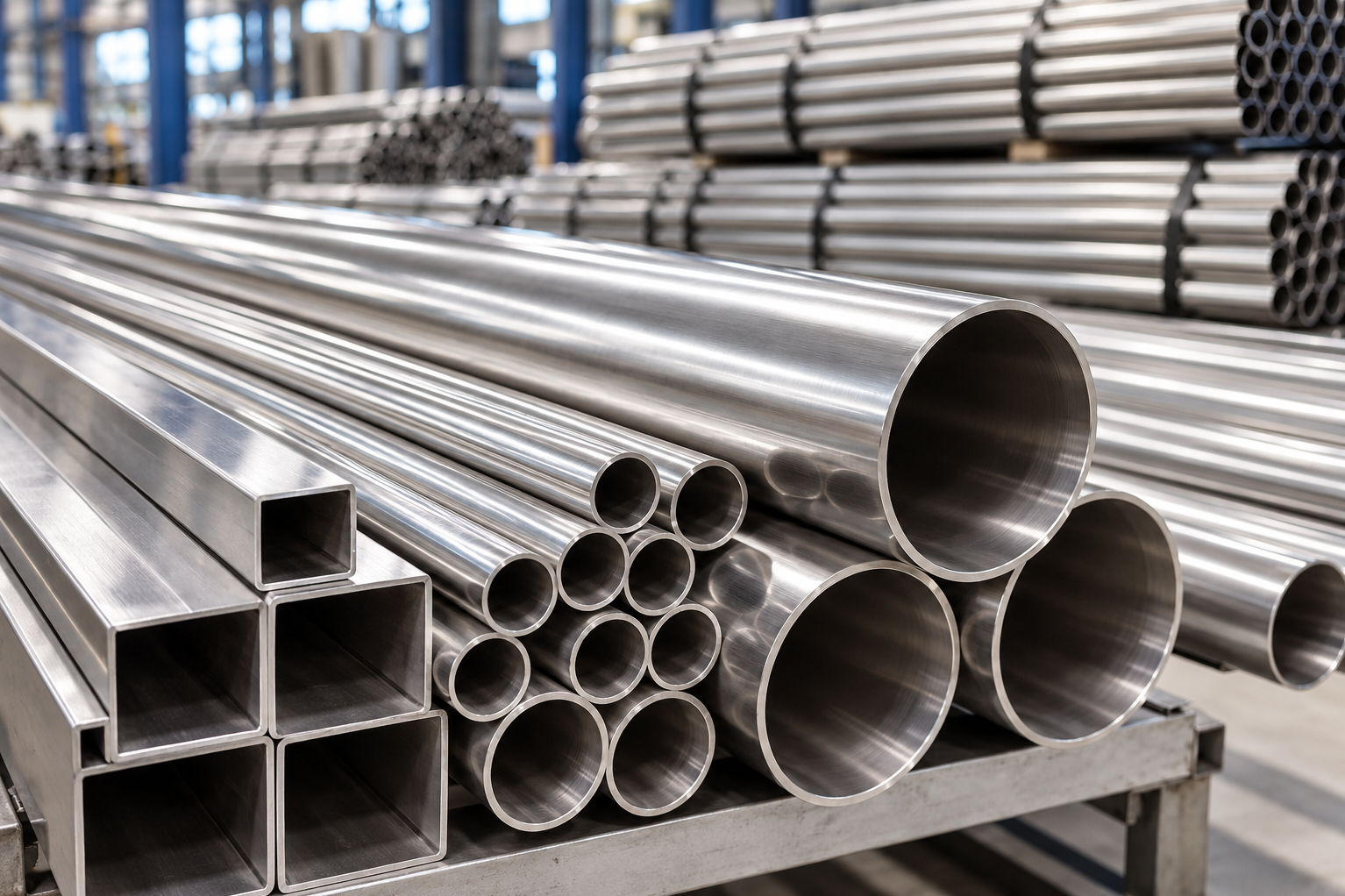
Large industrial projects rarely require a single pipe size delivered on one date. They may involve multiple grades, diameters, schedules, tube dimensions, fabrication stages, inspection requirements, and delivery milestones. Creating a structured procurement plan for SS Pipes and Tubes can therefore help engineering companies and EPC contractors reduce material mismatches, avoid unnecessary inventory, and maintain fabrication progress.
This is particularly relevant in Vadodara, where engineering and process-sector businesses support chemical, pharmaceutical, oil and gas, power, food-processing, and industrial projects throughout Gujarat.
Consolidate the Material Requirement
The first step is to create a clear material requirement from approved engineering information.
Instead of allowing different departments to issue fragmented enquiries, procurement teams can consolidate requirements by:
- Material grade
- Product type
- Size
- Wall thickness
- Schedule
- Required length
- Quantity
- Standard
- Application
- Required delivery date
A consolidated view makes it easier to identify duplicate requirements and procurement priorities.
Separate Pipe Requirements From Tube Requirements
Although the terms pipe and tube are sometimes used casually, engineering specifications distinguish products according to dimensional conventions and intended applications.
Procurement teams should preserve the terminology used in approved project documents.
Instrumentation tubing, hydraulic tubing, sanitary tubing, heat exchanger tubing, and process piping may all require different specifications.
Combining them into a vague stainless steel requirement can create confusion during quotation.
Prioritize Long Lead Requirements
Not every item has the same availability.
Project teams should identify materials that may require additional sourcing time, special dimensions, specific grades, uncommon wall thicknesses, testing, processing, or documentation.
These items can then be prioritized during procurement planning.
Early identification is especially useful when fabrication cannot proceed without a particular material.
Match Deliveries to Fabrication
Buying the entire project requirement at once may simplify the purchase order but can create storage and handling challenges.
Conversely, ordering too late can leave fabrication teams waiting for material.
A staged supply plan can align procurement with:
- Fabrication sequence
- Equipment manufacturing schedule
- Site requirements
- Inspection activities
- Available storage
- Project milestones
The right approach depends on project size and material availability.
Define Documentation at the Enquiry Stage
Project documentation requirements should be incorporated into procurement from the beginning.
Material certificates, identification requirements, inspection expectations, and other project-specific records should be communicated before quotations are finalized.
This allows commercial comparisons to reflect the complete supply requirement.
It also helps prevent delays at incoming inspection.
Evaluate Suppliers Beyond Material Price
When an industrial project depends on timely stainless steel supply, purchasing teams should evaluate the complete procurement risk.
Relevant questions include:
- Does the quotation match the requested grade?
- Are dimensions correctly understood?
- Is the required manufacturing type identified?
- Can documentation requirements be addressed?
- Is the requested quantity available?
- Does the delivery schedule support fabrication?
- Are specialized tube requirements clearly understood?
- Is communication technically clear?
A low initial price offers limited value if incorrect material causes fabrication delays.
Create a Consistent Receiving Process
Once material reaches the facility, receiving teams should verify it before release to fabrication.
Checks can include product identification, dimensions, quantity, visible condition, and required documentation.
Material should then be stored and handled appropriately to reduce physical damage, contamination, and mixing between grades or project lots.
Choose a Supplier Ready for Industrial Requirements
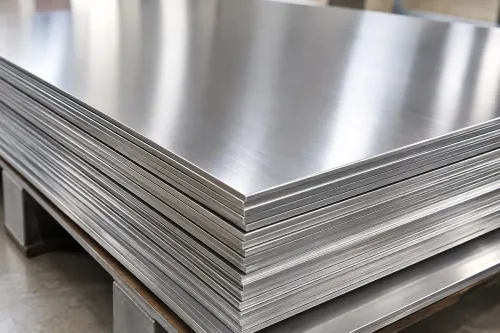
A reliable procurement relationship becomes increasingly useful when a project requires several stainless steel product categories. Buyers may need hydraulic tubes, instrumentation tubes, sanitary tubes, welded tubes, seamless piping, sheets, coils, plates, or specialized configurations at different stages.
SMD Impex serves stainless steel requirements for industrial buyers in Vadodara and can be approached with consolidated project specifications covering the required product categories.
For EPC contractors and engineering companies, supplier readiness should be judged by how effectively the provider responds to technical details as well as commercial requirements.
A reliable stainless steel supply plan ultimately connects engineering, procurement, quality, fabrication, logistics, and the supplier. When specifications are consolidated, critical materials are identified early, documentation is defined, and deliveries are aligned with project milestones, procurement becomes easier to control.
For industrial projects where pipes and tubes directly affect fabrication progress, this structured approach can reduce avoidable purchasing problems and create a more predictable path from material enquiry through final installation.
Keywords