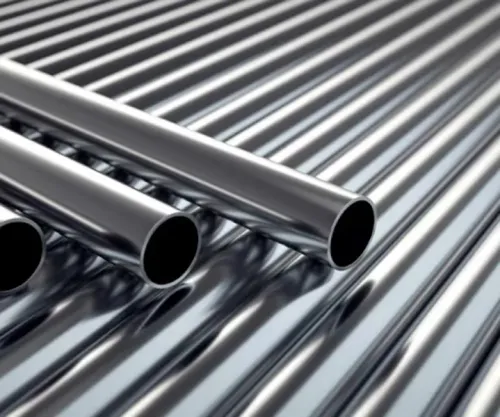


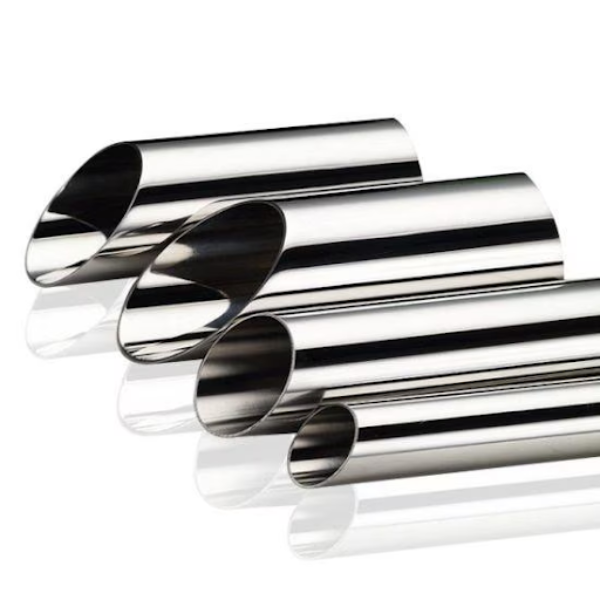
Industries that manufacture food, beverages, pharmaceuticals, dairy products, and other hygiene-sensitive products need piping systems that support cleanliness throughout processing. Stainless Steel Sanitary Tubes are commonly used in these environments because the product-contact pathway must be suitable for controlled cleaning and hygienic operation.
For pharmaceutical and food-processing facilities around Vadodara and other industrial areas of Gujarat, tube selection is therefore more than a basic material-purchasing decision. Dimensions, surface finish, joint design, fabrication quality, and process requirements all influence the suitability of a sanitary piping system.
What Makes Sanitary Tubing Different
Sanitary tubing is intended for applications where cleanliness and contamination control receive particular attention.
The tubing may carry:
- Purified process liquids
- Food ingredients
- Dairy products
- Beverages
- Pharmaceutical process media
- Cleaning fluids
- Other hygiene-sensitive materials
In these systems, engineers need to consider whether the internal pathway can be effectively cleaned and whether the material is appropriate for the intended process.
Internal Surface Quality Has a Practical Role
The condition of the internal tube surface matters because product residues and contaminants can become more difficult to manage when surfaces are unsuitable for hygienic processing.
Surface requirements vary according to the application. A specification should therefore identify the required finish rather than assuming that every stainless steel tube is interchangeable.
This distinction becomes especially important for regulated production environments and projects with defined process standards.
Material Grade Must Match the Process
Stainless steel is available in multiple grades, each offering different characteristics. Selecting the correct grade requires understanding what will pass through the tube and what external conditions the installation will experience.
Questions worth considering include:
- What process medium will be transported?
- What is the operating temperature?
- What cleaning chemicals are used?
- How frequently is the system cleaned?
- Is corrosion resistance a major concern?
- Are project-specific standards applicable?
Providing these details during procurement helps reduce the risk of ordering material based only on size.
Connections Influence Hygiene
A sanitary process line is only as effective as its complete design. Tube quality alone cannot compensate for poorly planned joints, unsuitable fittings, difficult-to-clean sections, or fabrication defects.
Engineers commonly pay close attention to connection points because hygienic systems should be designed to reduce locations where process residue may collect.
Welding practices are similarly important. Tube ends, alignment, weld quality, and post-fabrication treatment should suit the project's hygiene requirements.
Applications Across Process Industries
Sanitary tubing has uses across several sectors.
In pharmaceutical facilities, it can form part of carefully controlled process piping. Food and beverage manufacturers may use it for transferring ingredients and finished products. Dairy plants require hygienic piping for milk and associated products.
It can also appear in biotechnology facilities, cosmetic production units, high-purity processing systems, and other installations where cleanability matters.
Vadodara has a significant industrial base serving pharmaceutical, chemical, engineering, and process-sector projects across Gujarat. This creates demand for stainless steel materials that can be supplied according to clearly defined project requirements.
What Buyers Should Specify
A useful sanitary tube enquiry should include more than quantity.
Procurement teams should ideally communicate:
- Stainless steel grade
- Tube size
- Wall thickness
- Surface finish requirement
- Required length
- Quantity
- Application
- Relevant standard
- Inspection requirements
- Material documentation requirements
A supplier such as SMD Impex can work more effectively with an industrial enquiry when these details are established early.
Sanitary tube selection should ultimately be approached as part of hygienic system design rather than as a standalone commodity purchase. Appropriate material, controlled dimensions, specified surface condition, suitable connections, and careful fabrication all contribute to a more dependable process line. For hygiene-sensitive industries, defining these requirements before procurement can save considerable effort during fabrication, commissioning, and routine operation.