

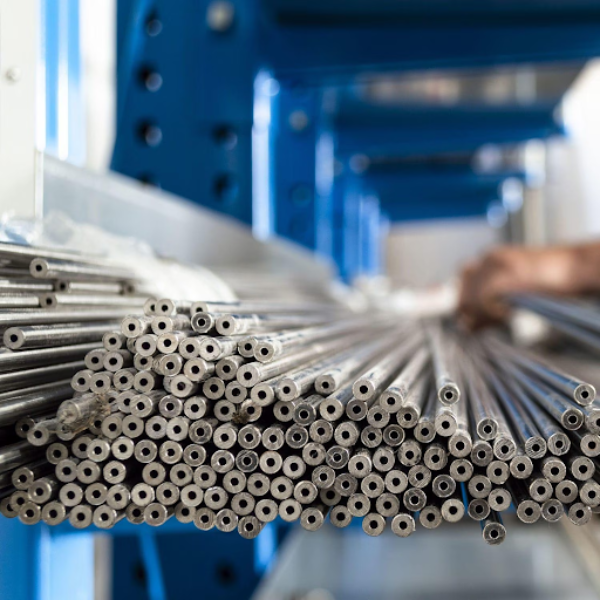
Hydraulic systems depend on the controlled movement of pressurized fluid. While pumps, valves, cylinders, and actuators often receive the most attention, the tubing that carries hydraulic fluid is equally important. Stainless Steel Hydraulic Tubes are widely considered for industrial systems where strength, dimensional consistency, corrosion resistance, and dependable fluid transfer are important.
Engineering companies and equipment manufacturers in Vadodara, Gujarat, work across industries where hydraulic systems may operate continuously and under demanding conditions. Understanding the role of tube selection can therefore help engineers make better decisions during equipment design, maintenance, and procurement.
Why Hydraulic Tubing Requires Careful Selection
A hydraulic tube is not simply a passage for oil or another hydraulic medium. It becomes part of a pressurized system and must perform reliably throughout repeated operating cycles.
Important considerations generally include:
- Working pressure
- Tube outside diameter
- Wall thickness
- Material grade
- Surface condition
- Dimensional tolerance
- Compatibility with fittings
- Routing requirements
- Operating environment
Selecting tubing without considering these factors can create installation difficulties and affect the overall reliability of the hydraulic circuit.
Why Stainless Steel Is Used in Hydraulic Applications
Stainless steel combines mechanical strength with resistance to corrosion, making it suitable for many industrial environments. This can be particularly valuable when hydraulic equipment is exposed to moisture, process chemicals, cleaning operations, outdoor conditions, or corrosive atmospheres.
Corrosion resistance can also help preserve the condition of the tube surface over an extended operating period. This is relevant for equipment where tubing is expected to remain installed for years rather than being treated as a frequently replaced component.
Different stainless steel grades have different properties, so material selection should still reflect the actual operating conditions.
Dimensional Accuracy Matters
Hydraulic fittings depend on appropriate tube dimensions to create reliable connections. Variations in outside diameter, wall thickness, roundness, or surface quality can make assembly more difficult.
For this reason, engineering teams often review dimensional requirements before placing an order rather than specifying tubing only by nominal size.
Precision becomes particularly important in:
- Hydraulic power packs
- Machine tools
- Process equipment
- Industrial automation systems
- Heavy engineering machinery
- Mobile equipment
- Test rigs
Correct dimensional specifications also make fabrication and installation more predictable.
Surface Condition Deserves Attention
The external surface of hydraulic tubing affects fitting installation, bending, handling, and inspection. Internal cleanliness can be equally important because contamination inside a hydraulic circuit may affect valves, pumps, and other sensitive components.
Storage and handling practices should therefore protect tubing from dirt, moisture, physical damage, and cross-contamination.
For project buyers, discussing cleanliness and surface requirements during procurement can prevent avoidable problems later at the fabrication stage.
Planning Hydraulic Tube Requirements
Before requesting material, buyers can prepare a basic specification covering:
- Required stainless steel grade
- Outside diameter
- Wall thickness
- Required length
- Quantity
- Application
- Working conditions
- Applicable specification
- Documentation requirements
Providing this information helps suppliers understand the intended use and reduces ambiguity during quotation.
Vadodara's engineering ecosystem serves process plants, equipment manufacturers, EPC projects, and industrial facilities throughout Gujarat. Companies such as SMD Impex operate within this supply environment, where accurate material requirements are important for efficient industrial procurement.
Ultimately, reliable hydraulic piping begins with matching the tube to the application. Pressure conditions, dimensions, material grade, fitting compatibility, cleanliness, and operating environment should be considered together. A technically clear specification makes it easier to source suitable stainless steel tubing and supports smoother fabrication, installation, and long-term system performance.