

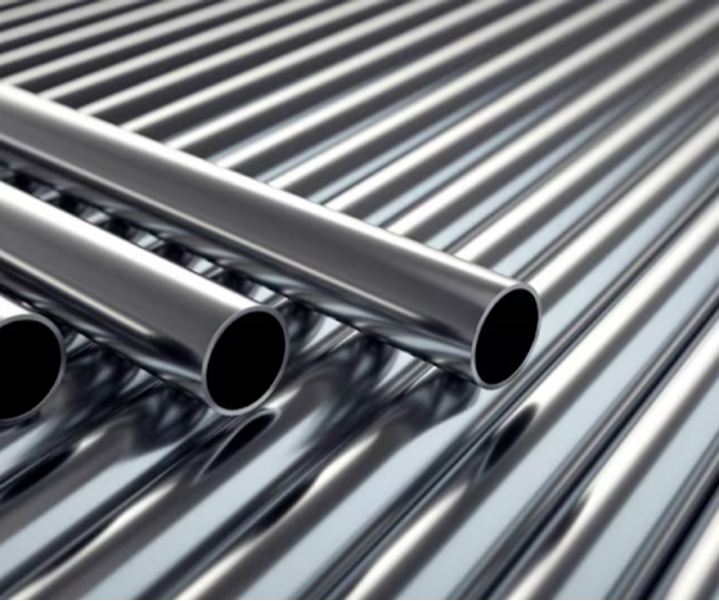
Although stainless steel pipes and tubes may look similar, they are specified differently and often serve different purposes. Pipes are generally selected for conveying fluids or gases, while tubes are commonly chosen for heat transfer, instrumentation, structural fabrication and equipment manufacturing.
For industries sourcing SS tubes in Ankleshwar, this distinction is particularly important. Chemical, pharmaceutical and process plants require materials with accurate dimensions and suitable corrosion resistance. Choosing a tube only by its outside appearance can result in installation, fabrication or performance problems.
How SS Tubes Are Measured
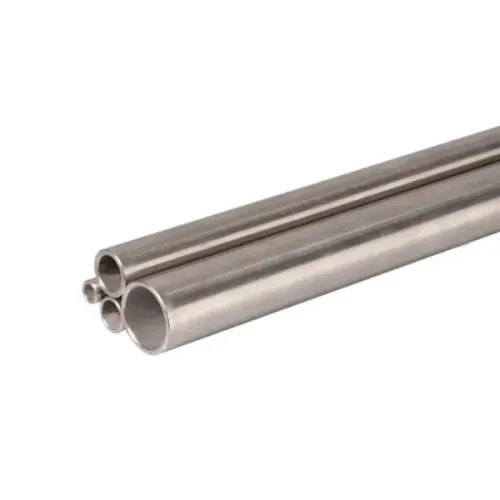
Stainless steel tubes are usually specified by their outside diameter and wall thickness. This differs from many pipe specifications, where nominal pipe size and schedule are commonly used.
A tube requirement may include:
- Outside diameter
- Wall thickness
- Length
- Material grade
- Dimensional tolerance
- Surface condition
- Seamless or welded construction
- Required testing
- Manufacturing standard
Precise dimensions matter because tubes are often fitted into tube sheets, connected to instruments or used as components in fabricated equipment. Even a small dimensional variation can affect assembly accuracy.
Major Applications of Stainless Steel Tubes
SS tubes are used in several industrial systems, including:
Heat Exchangers
Heat exchanger tubes transfer heat between two fluids while keeping them separated. Tube material must tolerate operating temperatures, internal pressure and the chemical nature of both fluids.
Condensers and Boilers
These systems may expose tubes to temperature variations, treated water, steam and deposits. Grade selection and wall thickness influence durability and maintenance requirements.
Instrumentation Lines
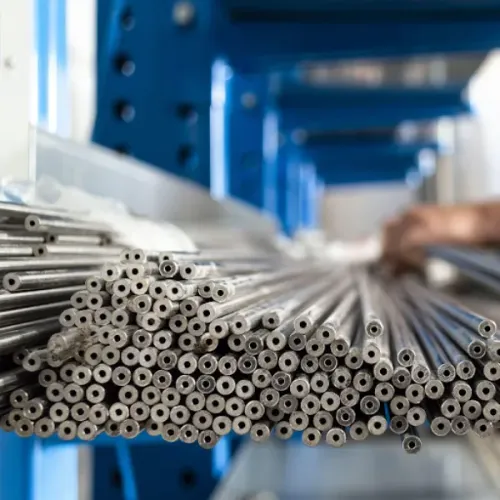
Small-diameter tubes are commonly used to carry process signals, hydraulic pressure or control media. Accurate tolerances and clean internal surfaces are important in these applications.
Food and Pharmaceutical Equipment
Hygienic tubes help transport ingredients, purified water and processed products. Smooth surfaces support effective cleaning and help reduce places where residue can accumulate.
Structural Fabrication
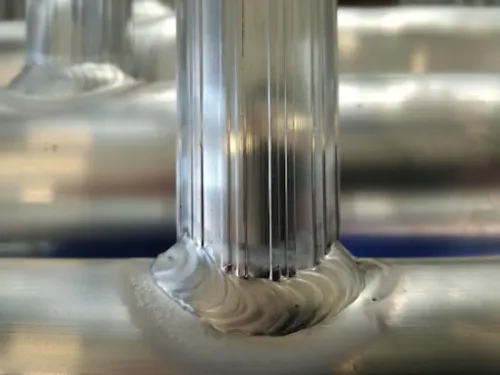
Stainless steel tubes are also used in frames, railings, equipment supports, furniture and architectural features. Surface finish and dimensional consistency may be as important as corrosion resistance in these applications.
Understanding Surface Finishes
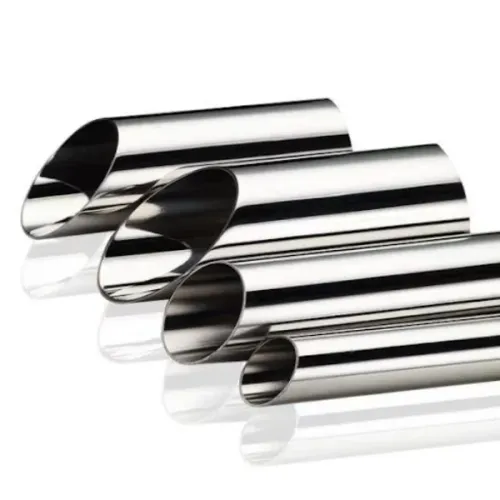
The required finish depends on where and how the tube will be used. Industrial tubes may have a mill finish when appearance is not the main concern. Polished tubes are preferred for visible installations and applications requiring easier cleaning.
Hygienic processes may require controlled internal and external finishes. Buyers should specify the expected finish rather than simply asking for a polished tube, as polishing levels and surface roughness can vary.
Choosing Between SS 304 and SS 316 Tubes
SS 304 tubes are suitable for many general engineering, water-handling and food-processing applications. They provide good corrosion resistance under normal operating conditions.
SS 316 tubes offer improved resistance where chlorides, saline moisture or more aggressive chemicals are present. However, using SS 316 for every application may unnecessarily increase material cost. The decision should reflect the process medium, cleaning chemicals, temperature and expected service environment.
Considerations for Ankleshwar Industries
Ankleshwar is a major industrial centre in Gujarat, with significant chemical, pharmaceutical and manufacturing activity. Tubes used in this environment may need to withstand process chemicals, frequent cleaning and demanding production cycles.
SMD Impex works with buyers evaluating SS tube requirements for processing systems, equipment fabrication and industrial maintenance. Providing accurate dimensions and application information at the enquiry stage helps identify material that aligns with the intended installation.
A technically suitable SS tube is defined by more than its grade. Diameter, wall thickness, finish, tolerance, construction and service conditions should all be considered together. This approach helps industrial users achieve better fitment, reliable performance and efficient fabrication.