

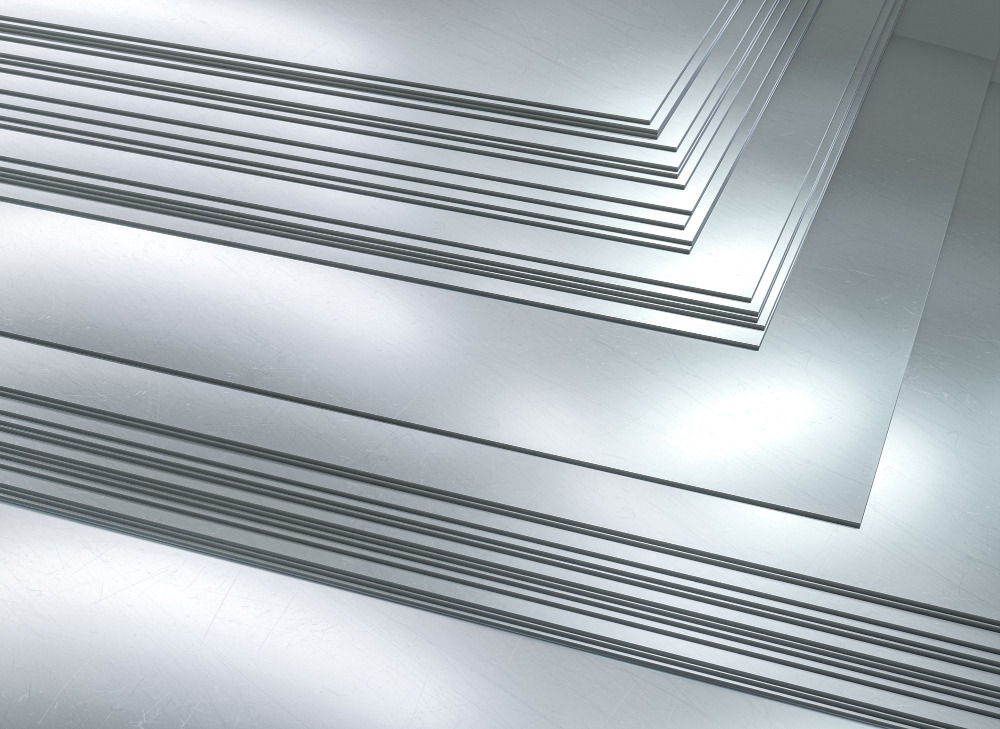
Stainless steel sheets are flat products used in equipment panels, enclosures, tanks, kitchen installations, architectural features and numerous fabricated components. Their combination of corrosion resistance, clean appearance and workability makes them useful across both industrial and commercial projects.
When purchasing SS sheets in Anand, buyers should consider grade, thickness, finish and fabrication behaviour. Selecting solely on price can lead to avoidable issues such as surface damage, unsuitable corrosion resistance or difficulty during bending and welding.
What Defines a Stainless Steel Sheet
Stainless steel sheet is commonly supplied in standard widths and lengths, although cut-to-size material may also be available. It is thinner than stainless steel plate, but the exact distinction can vary according to commercial practices and applicable standards.
A clear sheet specification should state:
- Stainless steel grade
- Required thickness
- Sheet width and length
- Surface finish
- Quantity
- Protective film requirement
- Dimensional tolerances
- Intended fabrication process
- Applicable material standard
These details help ensure that the supplied sheet is compatible with cutting, bending, welding and final finishing.
Common SS Sheet Grades
SS 304 sheet is widely used for kitchen equipment, food-processing units, cabinets, electrical enclosures and general fabrication. It provides a balanced combination of corrosion resistance, formability and weldability.
SS 316 sheet is more suitable where chloride exposure, saline moisture or aggressive chemicals may be present. It is frequently used in chemical plants, pharmaceutical equipment and certain outdoor or coastal applications.
Ferritic grades such as SS 430 may be used for decorative or indoor applications where moderate corrosion resistance is acceptable. Material selection should always reflect functional needs instead of appearance alone.
Popular Surface Finishes
Surface finish influences the appearance, cleanability and suitability of an SS sheet.
A 2B finish has a smooth, lightly reflective appearance and is commonly used for industrial equipment and general fabrication. A No. 4 finish has a directional brushed texture and is popular for kitchen equipment, lift interiors and decorative panels.
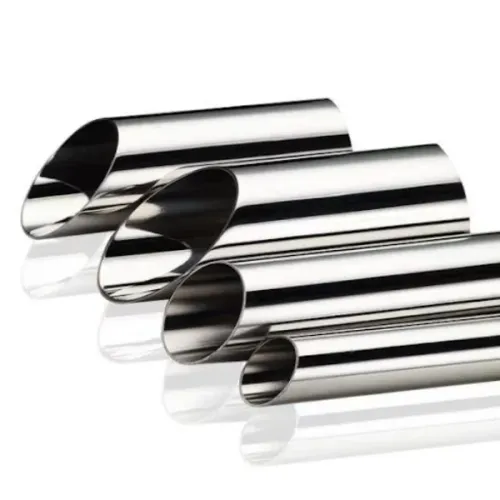
Mirror finishes create a highly reflective appearance for specialised architectural or decorative work. Matt and patterned finishes may be used where glare reduction, visual distinction or scratch concealment is important.
Protective film can help preserve finished surfaces during transport and fabrication. However, it should be removed within the recommended period, particularly when the completed component will be exposed to heat or sunlight.
Fabrication Factors That Affect Results
Stainless steel work-hardens during forming, so suitable tools and methods are important. Incorrect bending allowances can affect component dimensions, while unsuitable cutting equipment may cause excessive heat or rough edges.
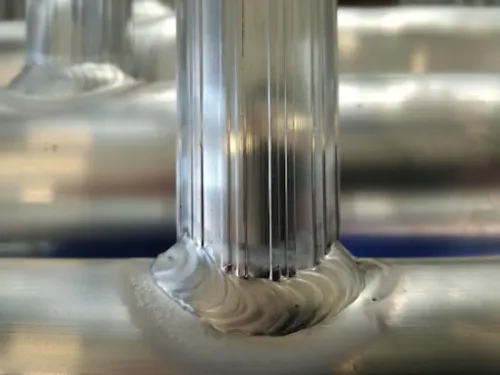
Fabricators should also avoid contamination from carbon steel tools and work surfaces. Embedded iron particles can create rust marks even when the underlying stainless steel remains sound. Dedicated handling areas, clean tools and proper post-fabrication cleaning help protect the finished surface.
Applications Across Anand
Anand and surrounding areas support dairy processing, food manufacturing, engineering, construction and commercial development. SS sheets are relevant to these sectors because they can be fabricated into hygienic work surfaces, machine covers, storage units, wall panels and equipment components.
SMD Impex helps customers understand how sheet grade, thickness and finish influence fabrication and end use. Providing drawings or finished component details can make material identification more accurate, especially when a project includes deep drawing, intricate bending or visible surfaces.
The right SS sheet should perform well during fabrication and remain suitable throughout its service life. Matching the material to its operating environment, manufacturing process and expected appearance produces more dependable results than choosing on thickness and price alone.