

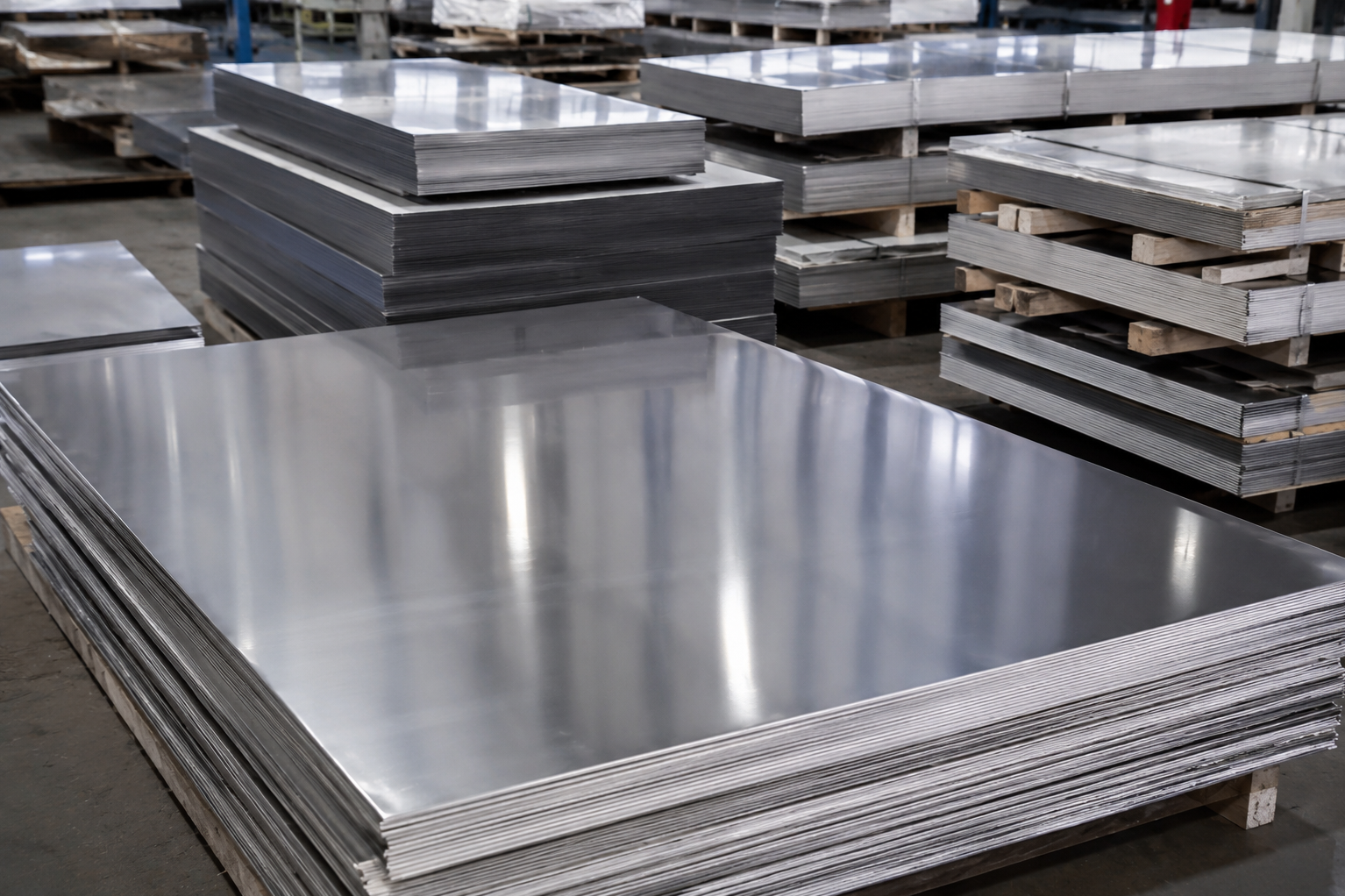
Stainless steel sheets and plates are both flat products, but they are intended for different fabrication and engineering requirements. Selecting the wrong category can affect bending, welding, structural performance, machine capacity and total project cost.
SMD Impex provides SS sheet and plate in Ahmedabad for equipment manufacturers, fabricators, contractors and industrial maintenance teams. Understanding the difference between these products helps buyers avoid over-ordering, unsuitable thicknesses and unnecessary processing expenses.
Sheet and Plate Differences
The primary difference is thickness. Stainless steel sheet is generally used for lighter fabrication, while plate is used where higher strength and rigidity are required. The exact commercial distinction may differ according to the applicable standard and supplier classification.
SS sheets are commonly used for:
- Machine covers and cabinets
- Kitchen and food-processing equipment
- Electrical enclosures
- Wall cladding
- Lift interiors
- Ducting and trays
- Decorative panels
SS plates are typically used for:
- Storage tanks
- Pressure equipment
- Industrial platforms
- Flanges and base plates
- Heavy machine components
- Reactor and vessel parts
- Structural supports
Choosing between sheet and plate should therefore begin with the finished component rather than the product name alone.
Selecting the Correct Grade
SS 304 is widely used for general fabrication, food-processing equipment, water-handling systems and indoor architectural applications. It offers good corrosion resistance and practical forming characteristics.
SS 316 is considered for applications involving chlorides, saline moisture and several aggressive chemicals. Low-carbon grades such as 304L and 316L may be preferred when extensive welding is involved.
The operating environment should guide the decision. Purchasing a higher-priced grade without a technical need adds cost, while using a lower grade in a corrosive setting may reduce service life.
Thickness Selection and Fabrication
Thickness influences the weight, stiffness and load-bearing capacity of the finished component. It also determines which cutting and forming equipment can be used.
Before ordering, fabricators should verify:
- Finished component dimensions
- Required structural strength
- Cutting and bending capability
- Welding method
- Corrosion allowance
- Surface appearance
- Permitted dimensional tolerance
Complex bending may require consideration of grain direction, bend radius and springback. Heavy plates may need plasma, laser, waterjet or mechanical cutting depending on thickness and edge-quality requirements.
Comparing Surface Finishes
A 2B finish is commonly selected for industrial fabrication because it offers a smooth, practical surface. A No. 4 brushed finish is popular for visible panels, food-service equipment and architectural components.
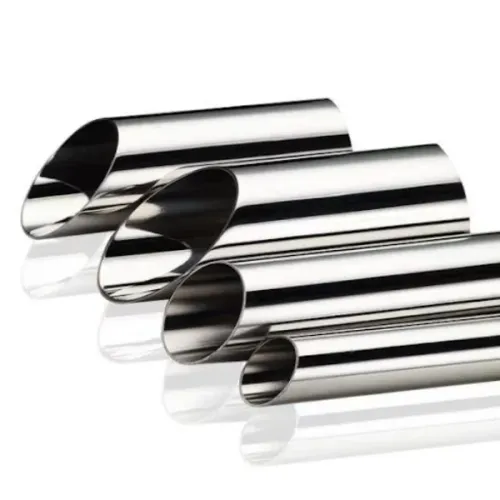
Mirror-polished sheets are used where a highly reflective appearance is required. Plates for heavy engineering applications may be supplied with a mill surface when visual finish is not a priority.
If the visible surface must remain free from scratches during processing, buyers should ask about protective film and handling arrangements. The direction of a brushed finish should also be considered before cutting components from a sheet.
Evaluating Total Material Cost
The lowest price per kilogram does not always produce the lowest project cost. Buyers should also consider usable dimensions, cutting waste, surface protection, transport, testing and the time required for additional processing.
A correctly sized sheet or plate can reduce scrap and minimise cutting work. Consolidating dimensions before procurement may also improve material utilisation across several components.
Ahmedabad’s engineering, pharmaceutical, food-processing and construction sectors require flat stainless steel products for both functional and decorative applications. Clear drawings and fabrication details help suppliers understand the requirement more accurately.
Share your required grade, thickness, dimensions, finish and quantity with SMD Impex to source suitable SS sheets and plates in Ahmedabad. A detailed enquiry can simplify quotation comparison and help keep fabrication work on schedule.