
Chemical processing systems depend on piping materials that can handle continuous fluid movement, temperature variations, pressure and exposure to corrosive substances. Stainless steel is frequently selected for these systems, but choosing the correct product requires more than specifying a nominal diameter.
SMD Impex supplies SS pipes and tubes in Bharuch for industrial fabrication, plant maintenance and process-related requirements. Buyers can make a more suitable selection by examining the process medium, operating conditions, dimensions and documentation before finalising an order.
Why Material Selection Matters in Chemical Plants
Incorrect material selection can lead to pitting, leakage, product contamination and premature replacement. The most suitable stainless steel grade depends on the chemical concentration, temperature, pressure and cleaning procedure involved.
SS 304 is commonly considered for water, mild chemicals and general utility lines. SS 316 and SS 316L provide improved resistance in many chloride-bearing and chemically demanding conditions. However, no stainless steel grade is universally resistant to every substance.
Before procurement, technical teams should identify:
- The chemical or process medium
- Its concentration and temperature
- Normal and maximum operating pressure
- Cleaning and sanitisation chemicals
- Possibility of chloride exposure
- Required corrosion allowance
- Applicable project standard
This information allows buyers to assess material suitability more accurately.
Pipes and Tubes Serve Different Purposes
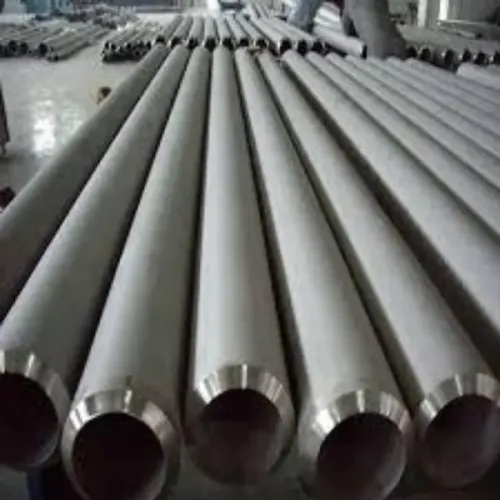
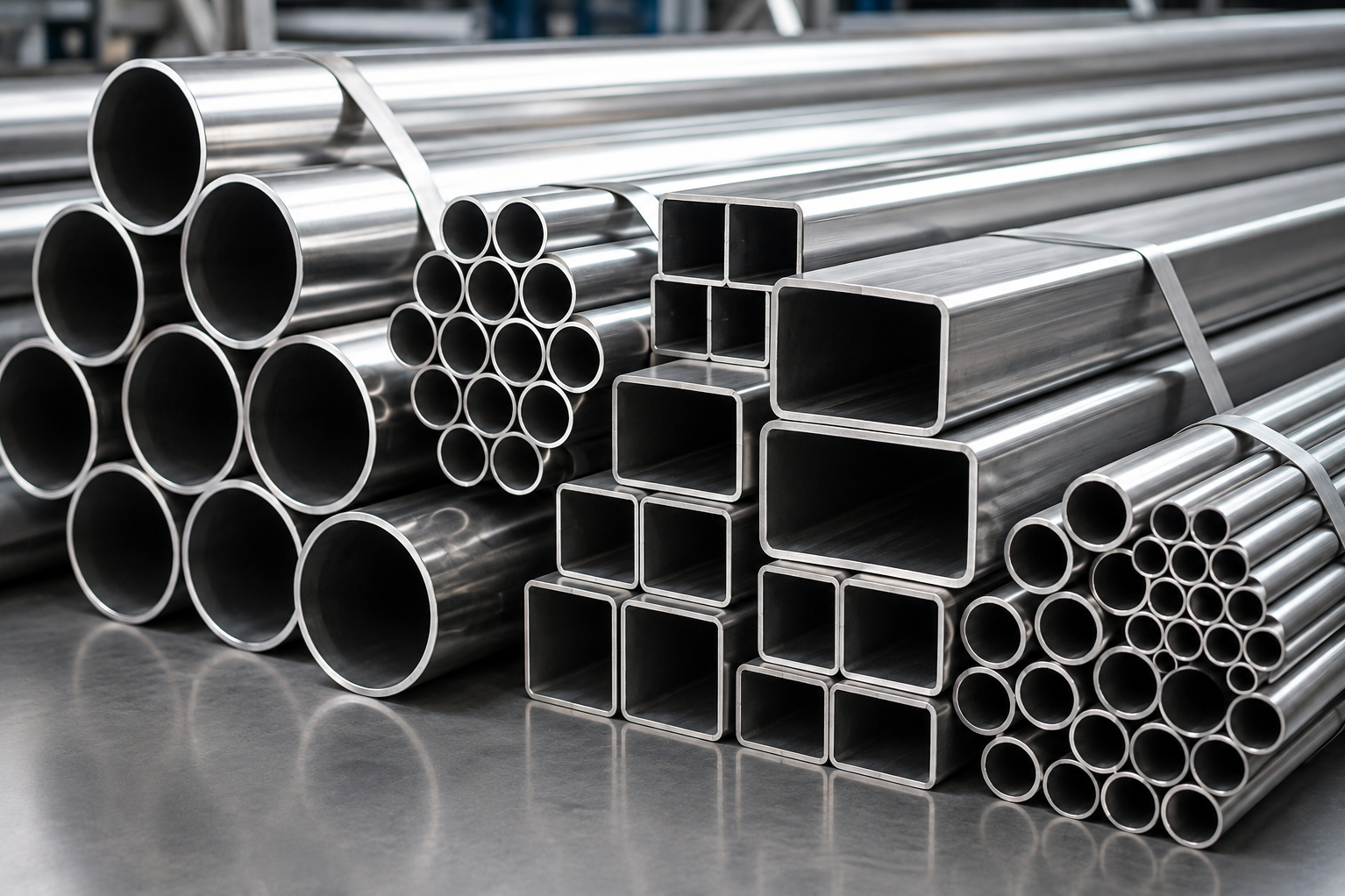
SS pipes are normally used for transporting liquids, gases and process materials. They are often specified by nominal bore and schedule.
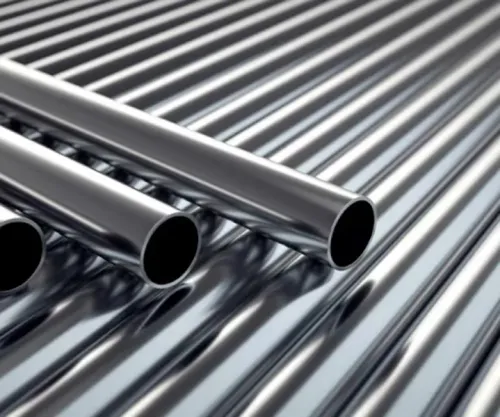
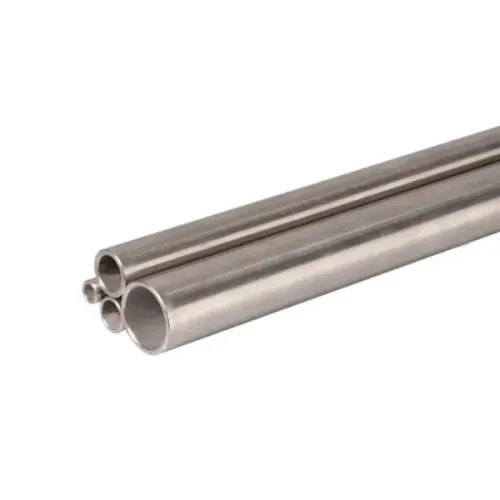
SS tubes are generally specified by outside diameter and wall thickness. They are widely used in heat exchangers, condensers, instrumentation lines and equipment assemblies where dimensional precision is particularly important.
Using these terms interchangeably can create quotation and installation problems. A requirement such as “two-inch stainless steel material” is incomplete because it does not confirm whether the buyer needs a pipe or tube, the wall thickness, grade or manufacturing type.
Seamless and Welded Construction
Seamless products do not have a longitudinal welded seam. They are often evaluated for high-pressure, high-temperature and critical process applications.
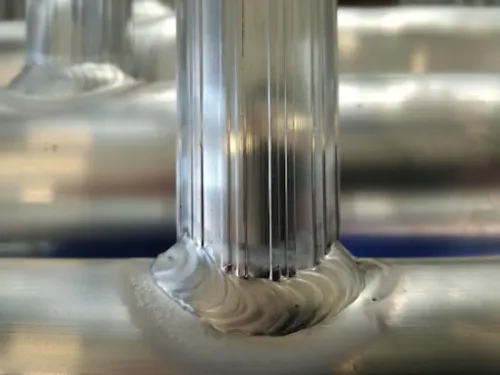
Welded pipes and tubes are manufactured from stainless steel strip, sheet or plate. They can provide consistent dimensions and economical options for many process and utility systems. Their suitability depends on weld quality, testing requirements and actual service conditions.
The decision should be based on the approved project specification rather than a general assumption that one construction method is always better.
Documentation and Testing Checks
Industrial procurement teams should confirm whether a mill test certificate is required. This document may include the heat number, chemical composition, mechanical properties and manufacturing standard.
Depending on the project, buyers may also request:
- Positive material identification
- Hydrostatic or pneumatic testing
- Eddy current testing for tubes
- Surface and dimensional inspection
- Intergranular corrosion testing
- Third-party inspection
- Specific marking and traceability
These requirements should be communicated before ordering because they can affect availability, preparation time and pricing.
A Practical Enquiry Checklist
An effective enquiry for SS pipes and tubes should mention the grade, product type, size, wall thickness or schedule, length, quantity and required standard. Surface finish, end condition and documentation should also be included where applicable.
Bharuch is surrounded by chemical, pharmaceutical, petrochemical and process-based industrial activity. For companies in this region, accurately defined material requirements support safer fabrication, easier inspection and more reliable plant operation.
For assistance selecting SS pipes and tubes for your Bharuch project, contact SMD Impex with your material grade, dimensions, quantity and operating requirements. The team can help you prepare a clear product specification and identify an appropriate supply option.