

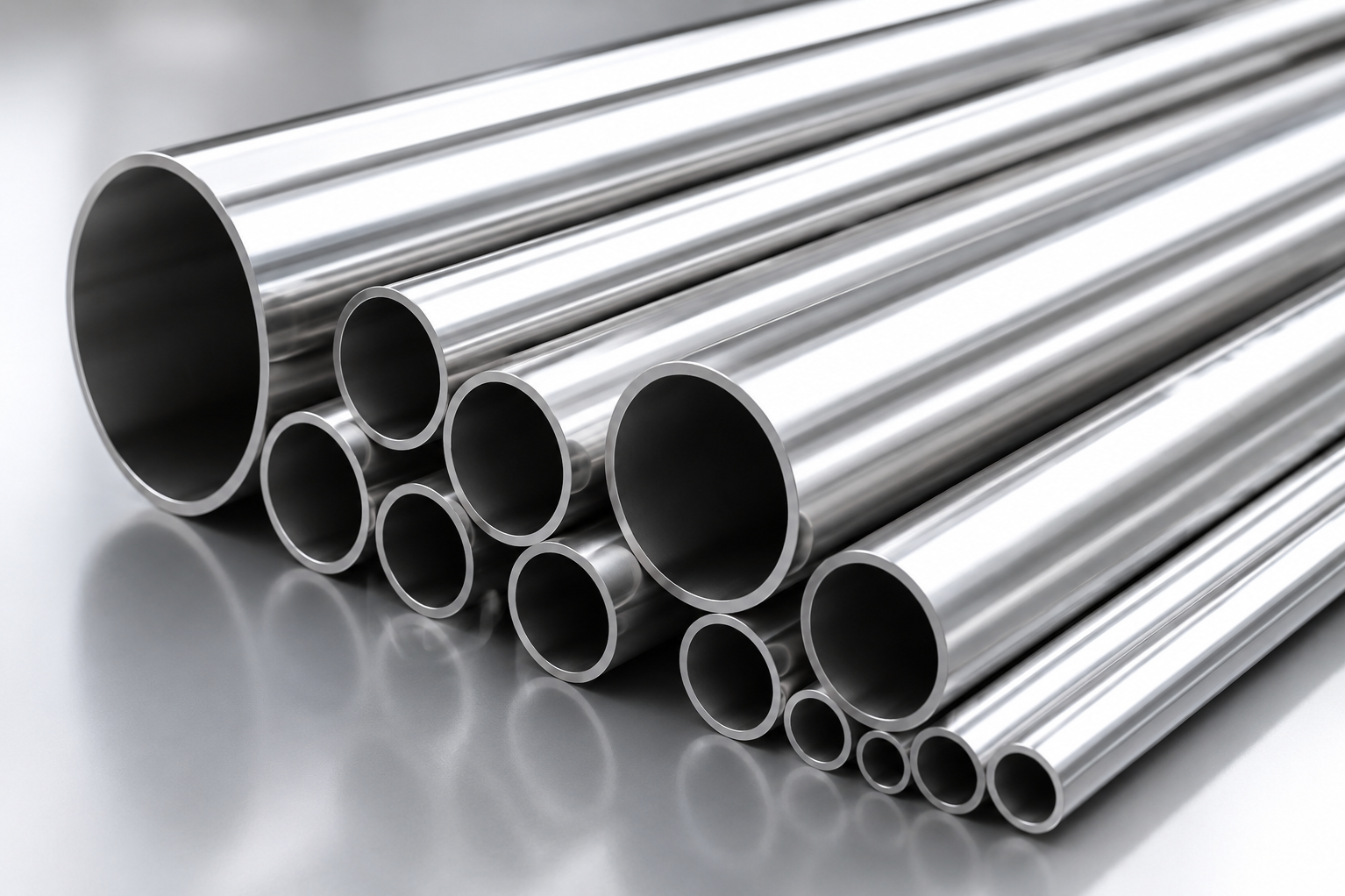
Stainless steel tubes used in process equipment must meet precise dimensional and material requirements. An incorrect outside diameter, unsuitable wall thickness or inconsistent surface condition can affect tube-sheet fitment, welding, fluid flow and equipment performance.
SMD Impex supplies SS tubes in Ankleshwar for heat exchangers, condensers, instrumentation systems and industrial fabrication. Businesses evaluating suppliers should focus on specification accuracy, application knowledge, documentation and supply consistency.
Confirm the Exact Tube Specification
Unlike pipes, which are commonly ordered by nominal pipe size and schedule, tubes are generally specified using outside diameter and wall thickness. This distinction should be clearly understood by the supplier.
A complete requirement should include:
- Outside diameter
- Wall thickness
- Tube length
- Stainless steel grade
- Seamless or welded type
- Surface finish
- Dimensional tolerance
- Required testing
- Manufacturing standard
- Total quantity
If tubes will be installed in a heat exchanger or condenser, the tube-sheet design and expansion method should also be considered. Dimensional consistency is essential for accurate assembly.
Match the Grade to the Process
SS 304 tubes are used in many general industrial, water-handling and food-processing applications. SS 316 tubes may be more suitable where chlorides or chemically demanding conditions are present.
Low-carbon variants can be selected when welding conditions and corrosion around heat-affected areas require additional consideration. However, grade selection should never be based on a general assumption. It must reflect the process medium, concentration, temperature and cleaning method.
A responsible supplier should avoid presenting one stainless steel grade as suitable for every environment.
Examine Finish and Cleanliness
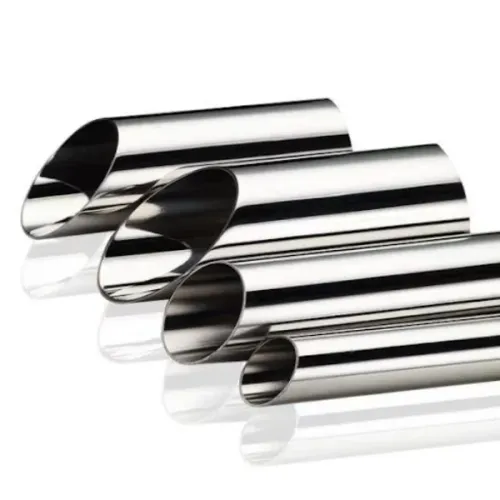
Tube finish can affect cleanability, flow characteristics and the appearance of the finished equipment. Industrial tubes may use a standard mill finish, while pharmaceutical and food-processing equipment may require smoother internal and external surfaces.
Buyers should specify whether they need:
- Annealed and pickled tubes
- Polished external surfaces
- Controlled internal finish
- Hygienic tube quality
- Protective packaging
- Special internal cleanliness
Using vague phrases such as “good finish” can lead to differing expectations. The required finish should be stated in measurable or recognised commercial terms wherever possible.
Review Testing and Traceability
Depending on the application, tubes may require eddy current, hydrostatic, pneumatic or other testing. Material test certificates can help confirm grade and mechanical properties.
For critical projects, the purchase order should clearly mention heat-number traceability, inspection requirements and document format. These details should be included in the supplier evaluation instead of being discussed only after material arrival.
Why Supply Consistency Matters in Ankleshwar
Ankleshwar’s chemical and pharmaceutical industries frequently use stainless steel tubes in equipment fabrication and plant maintenance. When replacement tubes are required, dimensional compatibility with the existing system becomes particularly important.
A supplier should provide realistic information about available quantities, manufacturing lead times and dispatch schedules. If a large order will be delivered in separate batches, buyers should confirm whether the batches will meet the same approved specification.
Supplier Readiness Checklist
Before finalising an order, check whether the quotation mentions the complete tube dimensions, grade, construction, finish, testing and delivery terms. Also confirm how the material will be packed to prevent surface damage and contamination.
Share your SS tube dimensions, application, grade and quantity with SMD Impex. The company can support Ankleshwar-based process industries with specification-focused material sourcing and coordinated delivery planning.