

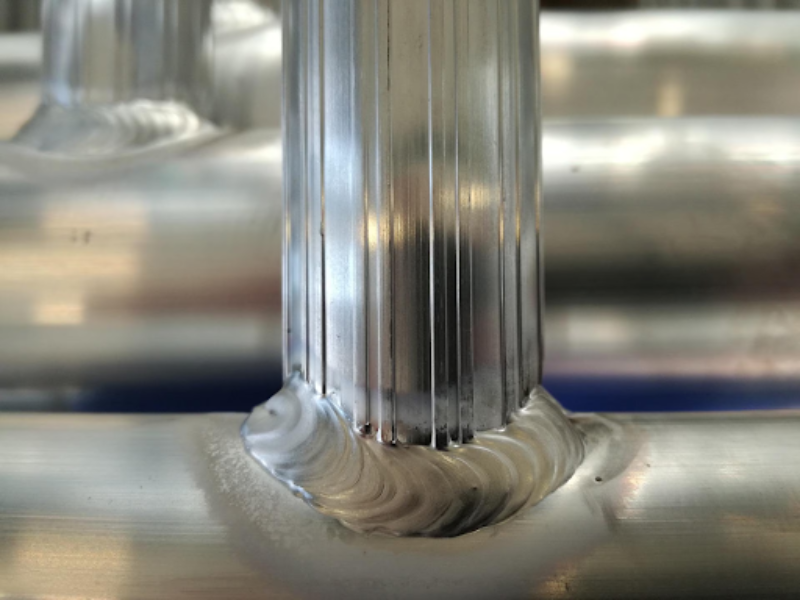
Industrial buyers frequently encounter different tube manufacturing methods while specifying stainless steel materials. Understanding how TIG Welded Tubes are produced can help engineers, fabricators, and procurement teams evaluate their suitability for process equipment, structural fabrication, general engineering, and other industrial applications.
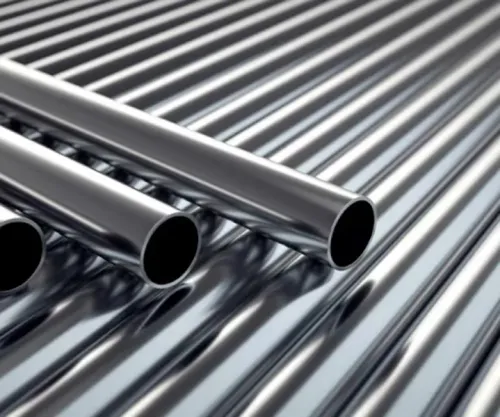
TIG refers to Tungsten Inert Gas welding, a controlled welding process widely used with stainless steel. In tube manufacturing, the process joins formed strip edges along a longitudinal seam. The resulting tube can then undergo additional finishing and inspection depending on the specification and intended application.
The Manufacturing Process Begins With Strip
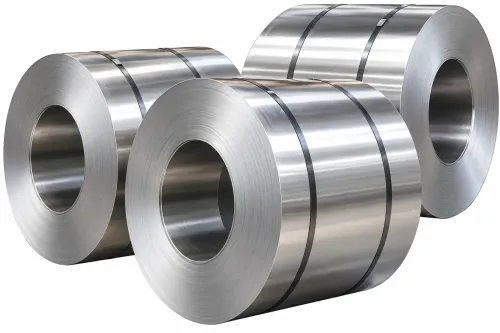
Welded stainless steel tubing generally starts as flat strip or coil.
The material is progressively formed into a tubular shape until the edges meet. Those edges are then welded continuously along the length of the tube.
The manufacturing sequence may include:
- Stainless steel strip selection
- Forming
- Longitudinal welding
- Weld treatment
- Sizing
- Straightening
- Surface finishing
- Inspection
- Testing where specified
Exact production procedures differ according to tube type, standard, manufacturer, and end-use requirement.
Why TIG Welding Is Used
TIG welding provides controlled heat input and is well suited to stainless steel fabrication. It can create a clean, consistent weld when appropriate production parameters and procedures are maintained.
For industrial users, however, the manufacturing method should not be evaluated in isolation. The finished tube must meet the dimensional, mechanical, surface, and testing requirements specified for the application.
This is why a technically complete purchase specification is more useful than simply asking for a TIG welded product.
Where Welded Tubes Can Be Used
Welded stainless steel tubes are used in a broad range of applications, depending on grade and specification.
Examples can include:
- Process equipment
- Heat transfer equipment
- Fabricated machinery
- Food-processing systems
- General engineering
- Architectural fabrication
- Utility lines
- Industrial assemblies
Suitability depends on service conditions. Pressure, temperature, process media, corrosion exposure, fabrication requirements, and applicable standards all need consideration.
Weld Quality Requires Attention
Because the tube contains a longitudinal weld, the condition and consistency of that weld are relevant quality considerations.
Project specifications may define particular testing, inspection, dimensional, or finishing requirements. Buyers should establish these expectations before ordering rather than after material reaches the fabrication shop.
Depending on the application, requirements may address dimensional tolerances, surface condition, mechanical properties, testing, material identification, and certification.
Welded Does Not Automatically Mean Lower Quality
A common misconception is that any welded tube is inherently unsuitable compared with seamless material.
The more useful question is whether the tube manufacturing route, grade, dimensions, standard, testing, and quality requirements match the intended application.
Some projects specifically require seamless material. Others can appropriately use welded tubing. Engineering specifications and operating conditions should guide the decision.
Industrial Procurement Needs Clear Specifications
Engineering and process-sector companies around Vadodara regularly procure stainless steel tubes for fabrication and project work across Gujarat. Buyers can make this process more efficient by sharing accurate technical information with suppliers.
A typical enquiry can identify the grade, dimensions, wall thickness, length, quantity, standard, application, testing requirements, and documentation expectations.
For SMD Impex, serving industrial stainless steel requirements means that accurate enquiry details help determine which product specification aligns with the buyer's project.
TIG welded tubing offers manufacturers and engineers a practical stainless steel tube option across many applications when the product is properly specified. Understanding the manufacturing process also helps procurement teams ask better questions about weld condition, dimensions, finishing, inspection, and certification.
Instead of selecting tubing based solely on manufacturing terminology, evaluate the complete technical requirement. That approach provides a much stronger basis for consistent material procurement and dependable industrial performance.