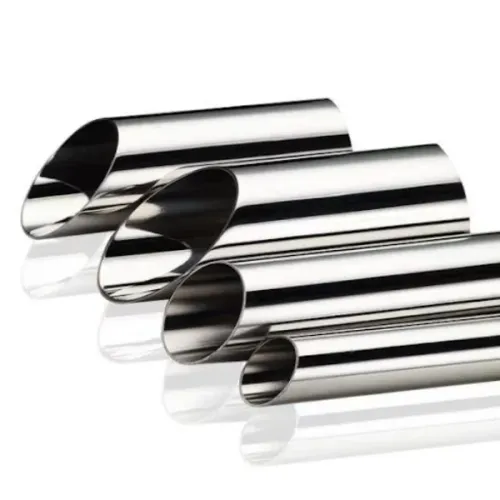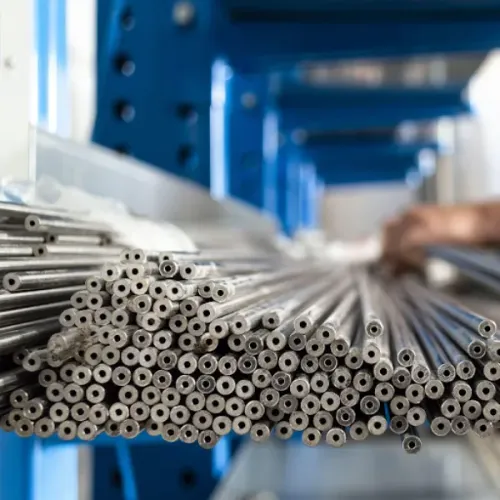


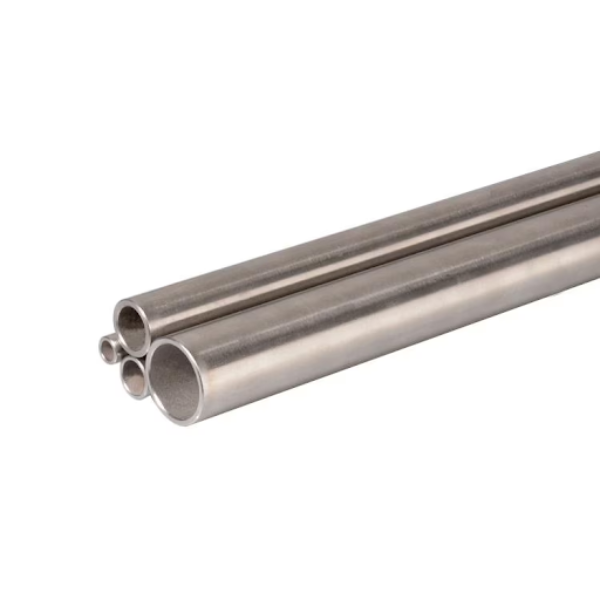
Instrumentation systems allow industrial plants to measure and control pressure, flow, temperature, level, and other important process variables. The tubing connecting instruments to process equipment may appear relatively small, but its role can be critical. Stainless Steel Instrumentation Tubes are commonly used where dependable fluid or gas transmission, dimensional accuracy, corrosion resistance, and secure fitting connections are required.
Chemical plants, refineries, pharmaceutical facilities, power projects, engineering companies, and EPC contractors in Vadodara frequently work with instrumentation networks. Choosing appropriate tubing is therefore an important part of both new project execution and maintenance planning.
Instrumentation Tubing Performs a Specialized Function
Instrumentation tubes may connect process lines with gauges, transmitters, control panels, analyzers, manifolds, and related equipment.
Common applications include:
- Pressure measurement lines
- Sampling systems
- Analyzer connections
- Pneumatic control circuits
- Hydraulic control systems
- Utility systems
- Process monitoring installations
Because these tubes interact with precision components and fittings, consistency in dimensions and material quality matters.
Fitting Compatibility Is Essential
Instrumentation systems commonly use mechanical tube fittings. These connections depend on suitable tubing dimensions and surface condition.
If the outside diameter is inconsistent, the tube is damaged, or the surface is unsuitable, fitting installation can become more difficult. Procurement teams should therefore avoid treating all tubes of the same nominal size as automatically equivalent.
Tube dimensions, tolerances, hardness requirements where applicable, and fitting compatibility should be considered as part of the same system.
Corrosion Resistance Supports Long-Term Installation
Instrumentation lines are often installed throughout process facilities, including locations exposed to moisture, chemicals, outdoor weather, washdown, and industrial atmospheres.
Stainless steel is frequently selected because suitable grades provide useful corrosion resistance under many of these conditions.
The correct grade, however, depends on the actual service environment. A highly corrosive chemical application may have different material requirements from a general utility line.
Understanding the process medium and external exposure helps engineers make a more informed selection.
Good Routing Starts With Suitable Tubing
Instrumentation tubing often needs to follow complex routes around equipment, structures, and process piping. Bending characteristics therefore matter during installation.
Installers need tubing that can be routed neatly while maintaining the required geometry. Poor handling, inappropriate bending, excessive flattening, and surface damage should be avoided.
Proper routing also improves accessibility for inspection and maintenance.
Procurement Details That Reduce Errors
Many purchasing issues begin with incomplete specifications.
Instead of sending an enquiry stating only the diameter and quantity, buyers can provide:
- Material grade
- Outside diameter
- Wall thickness
- Required length
- Applicable standard
- Intended process
- Required quantity
- Documentation needs
- Any specific surface requirements
These details allow the supplier to identify material more accurately and help purchasing teams compare quotations on a like-for-like basis.
Supporting Industrial Projects in Gujarat
Vadodara is closely connected with engineering, chemical, petrochemical, pharmaceutical, power, and EPC activities across Gujarat. Instrumentation materials used in these projects may need to satisfy project specifications, engineering drawings, approved material requirements, and inspection procedures.
SMD Impex supplies stainless steel products for industrial requirements, making clear technical communication particularly important when instrumentation tubing is being sourced for project applications.
Instrumentation tubing may represent only a small part of the total project cost, yet unsuitable material can create disproportionate installation difficulties. Correct grade selection, dimensional consistency, fitting compatibility, routing considerations, surface quality, and documentation should all be reviewed before procurement.
When these requirements are clearly defined, engineers can build instrumentation networks that are easier to install, inspect, maintain, and integrate with the wider process control system.