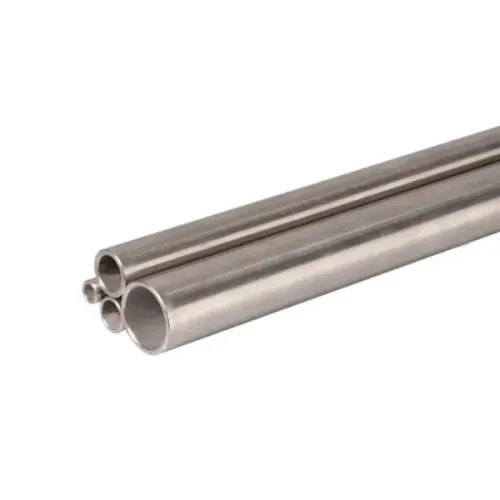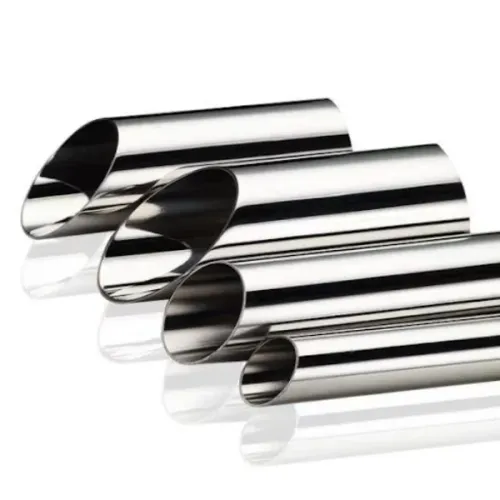


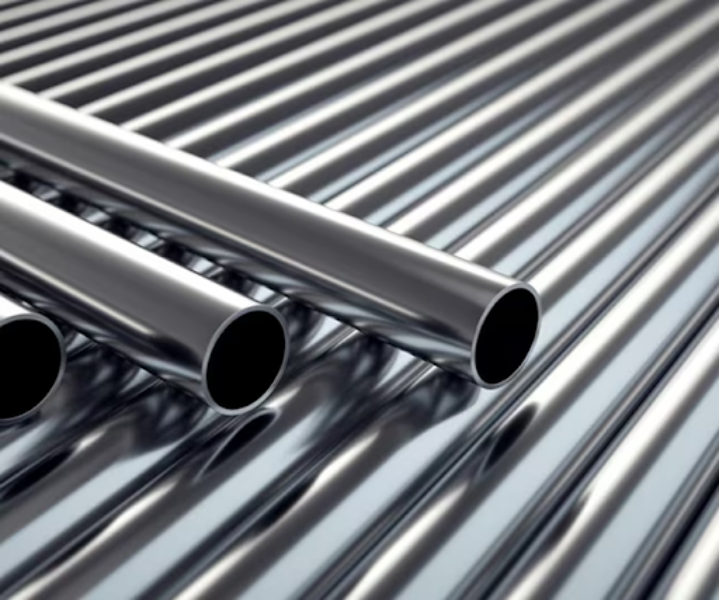
Industrial piping systems can operate under demanding combinations of pressure, temperature, corrosive media, and continuous service. Seamless Pipes are frequently evaluated for such applications because their manufacturing route does not create a longitudinal welded seam.
That characteristic alone, however, should not determine a purchasing decision. Engineers and procurement teams need to consider material grade, schedule, dimensions, service conditions, applicable codes, testing, and documentation before deciding whether a particular seamless stainless steel pipe is appropriate.
For industrial projects around Vadodara and throughout Gujarat, a systematic selection process can reduce specification errors and improve purchasing clarity.
Begin With the Actual Process Conditions
The first question should not be which pipe is available. It should be what the pipe is expected to do.
Define:
- Process fluid
- Design pressure
- Operating temperature
- Corrosive conditions
- External environment
- Required service life
- Fabrication method
- Applicable project specification
These factors establish the technical foundation for material selection.
A pipe suitable for a general utility service may not necessarily be appropriate for an aggressive chemical process.
Check the Stainless Steel Grade
Different stainless steel grades provide different combinations of corrosion resistance, mechanical properties, fabrication characteristics, and suitability for specific environments.
Procurement teams should therefore avoid using the term stainless steel as though it represented a single material.
The grade should correspond with the approved engineering specification and process requirements. When material substitutions are being considered, they should be technically evaluated rather than made purely on availability or price.
Understand Size and Wall Thickness
Pipe size and wall thickness influence flow capacity, mechanical strength, weight, fabrication, and compatibility with the rest of the piping system.
A procurement enquiry should clearly identify the required nominal size and schedule or wall thickness.
Ambiguous enquiries can result in unnecessary quotation revisions, especially when several dimensional options exist for the same nominal pipe size.
Review Testing and Documentation
Industrial projects often require documentation that allows material to be verified before fabrication or installation.
Depending on the project, buyers may need relevant material certificates, test documentation, identification details, or additional inspection records.
These requirements should be included at the enquiry stage. Requesting documentation only after dispatch can create avoidable complications.
EPC contractors in particular benefit from aligning purchasing requirements with the project's approved material specification before releasing an order.
Consider Fabrication Requirements
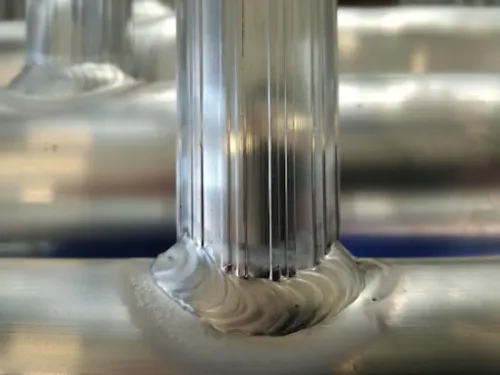
Pipes rarely remain in the condition in which they are purchased. They may be cut, welded, formed, connected with fittings, inspected, and incorporated into larger piping assemblies.
Fabricators should therefore understand how the specified material fits the planned fabrication procedure.
Questions concerning weldability, end preparation, dimensions, surface condition, and project-specific inspection should be addressed before production work begins.
Compare the Complete Supply Requirement
Price per unit is only one part of an industrial purchase.
A more useful evaluation includes:
- Correct grade
- Required dimensions
- Compliance with specification
- Documentation
- Testing requirements
- Quantity availability
- Delivery requirements
- Traceability expectations
This approach can help prevent the hidden cost of incorrect material, fabrication delays, rejected documentation, and replacement purchases.
Vadodara is a major sourcing and engineering centre for chemical, pharmaceutical, oil and gas, power, and process-sector projects in Gujarat. SMD Impex serves industrial stainless steel requirements within this environment, where buyers frequently need materials aligned with detailed project specifications.
Selecting seamless stainless steel piping should ultimately be an engineering-led procurement decision. Start with the process conditions, confirm the material grade and dimensions, establish testing and documentation requirements, and then evaluate supply options.
A clearly prepared specification not only helps buyers obtain more accurate quotations but also creates a stronger foundation for fabrication, inspection, installation, and reliable service.